
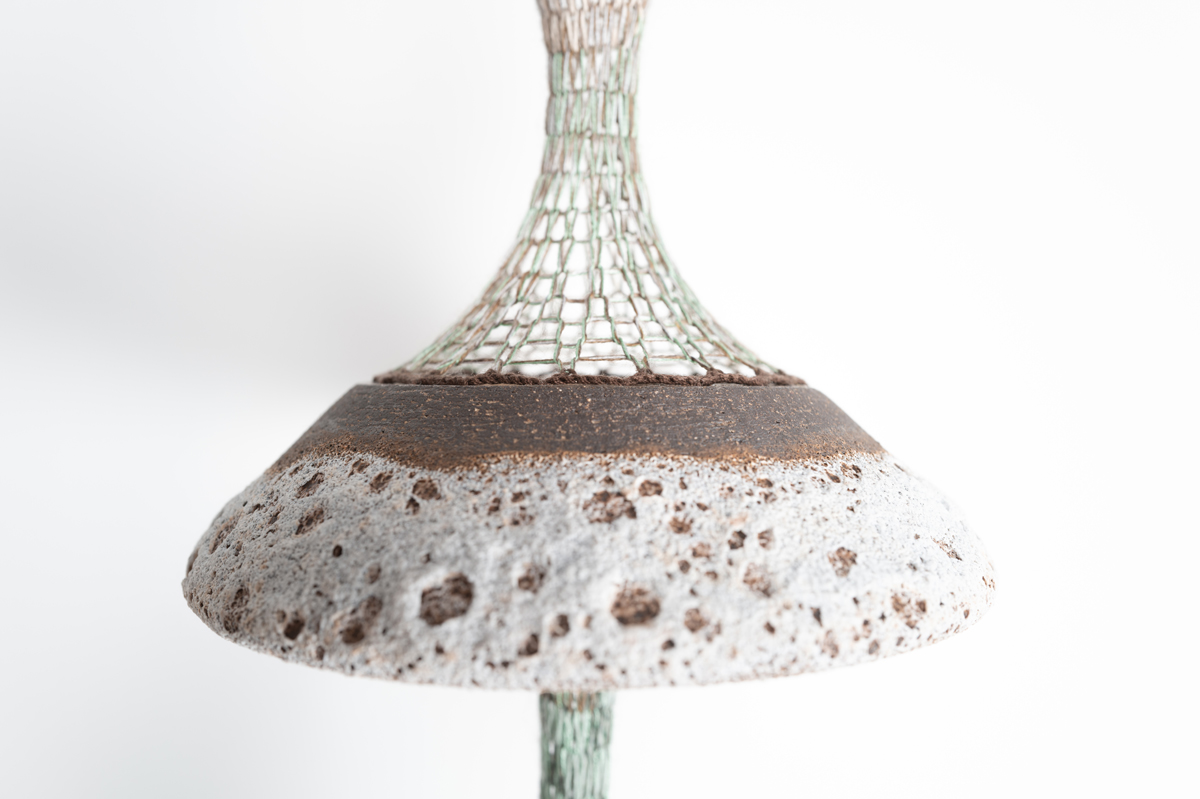
Isabelle D
Untitled (Porcelain 2026), 2026
ID: ID26-04
Porcelaine, glaze, vintage lacing roll and crocheted threat
100 x 40 x 40 cm

16.02.2026 - 23.02.2026
Cape Town
Booth D13
Artists :
Isabelle.D (France/Algeria)
Sahlah Davis (South Africa)
Caio Marcolini (Brazil)
Matthew Gallagher (US)
Tulio Pinto (Brazil)
Ishmael Randall Weeks (Peru)
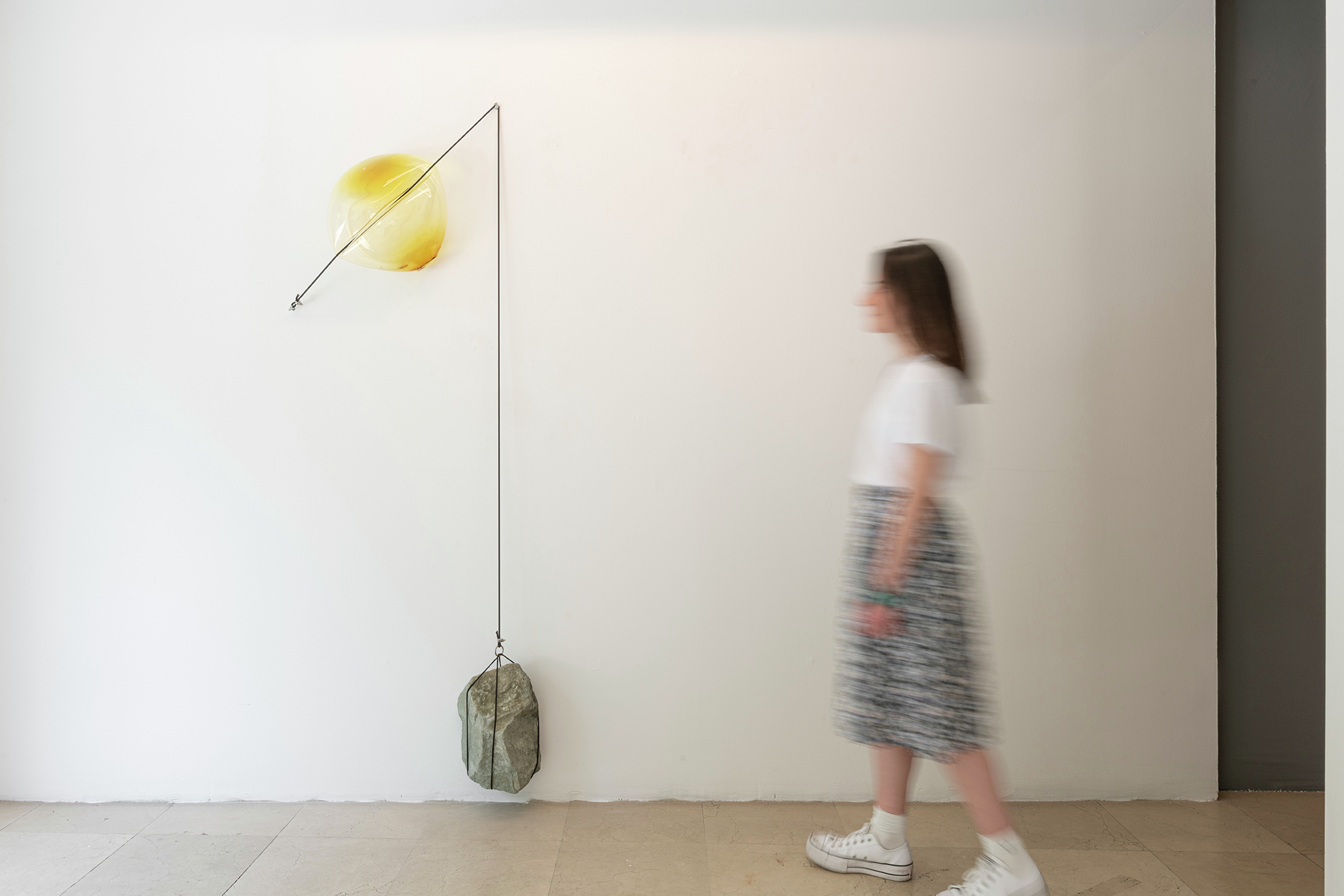
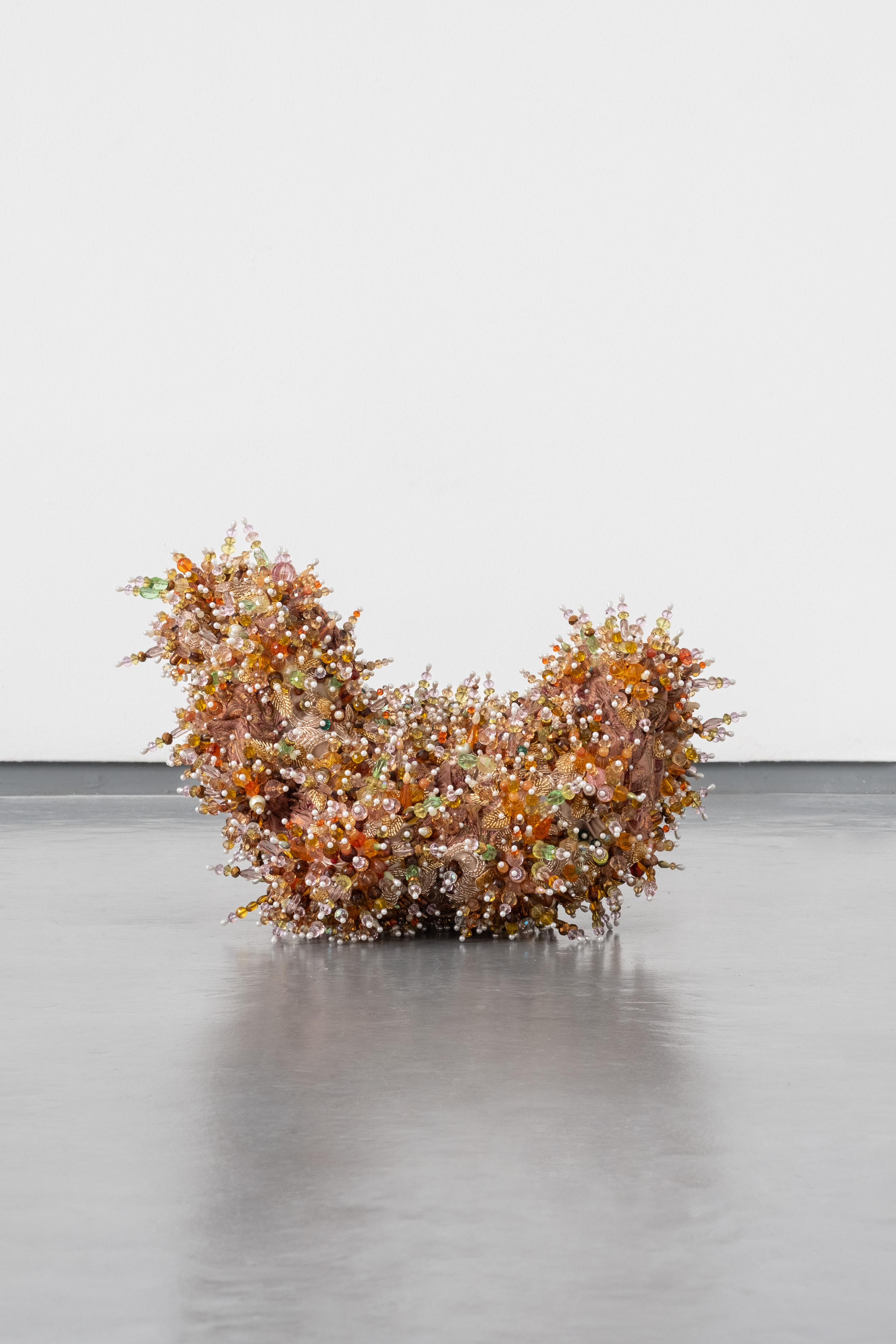
This presentation brings together the gallery’s artists and collaborators under the shared theme of Appropriation, understood not as a single gesture, but as a layered and contested practice operating across culture, method, place, and technique.
Within this context, appropriation becomes a tool for questioning authorship, ownership, and transformation. The artists engage with existing forms, histories, materials, and environments, reworking them to produce new meanings rather than reproducing fixed narratives.
Cultural appropriation is addressed critically and reflexively, as artists examine how symbols, traditions, and visual languages travel across communities, power structures, and time. Their works do not simply borrow, but interrogate the ethics of exchange, translation, and displacement, asking who has the right to use certain forms, and under what conditions meaning shifts or fractures.
At the level of practice, appropriation appears through citation, repetition, and reinterpretation. Archival materials, popular media, and everyday objects are folded into personal methodologies. These gestures blur the boundaries between original and copy, homage and critique, revealing artistic practice as a continuous process of borrowing and reassembly.
Location-based appropriation emerges through the use of specific sites, geographies, and social contexts. Some works are directly linked to the physical or historical conditions of place, urban fragments, materials, architectural remnants, or local narratives, appropriating space as both material and subject. Here, location is not neutral; it is activated, altered, and re-read.
Finally, technical appropriation highlights the reuse and subversion of tools, processes, and technologies. From traditional hand techniques to contemporary visual languages, artists adopt and distort established methods, pushing them beyond their intended functions. Technique becomes a language that carries memory, labor, and ideology.
Together, these artists and collaborators present appropriation not as extraction, but as a site of tension, responsibility, and possibility. This presentation proposes appropriation as an active dialogue, one that reflects the complexity of contemporary artistic production in a world shaped by circulation, influence, and unequal exchange.
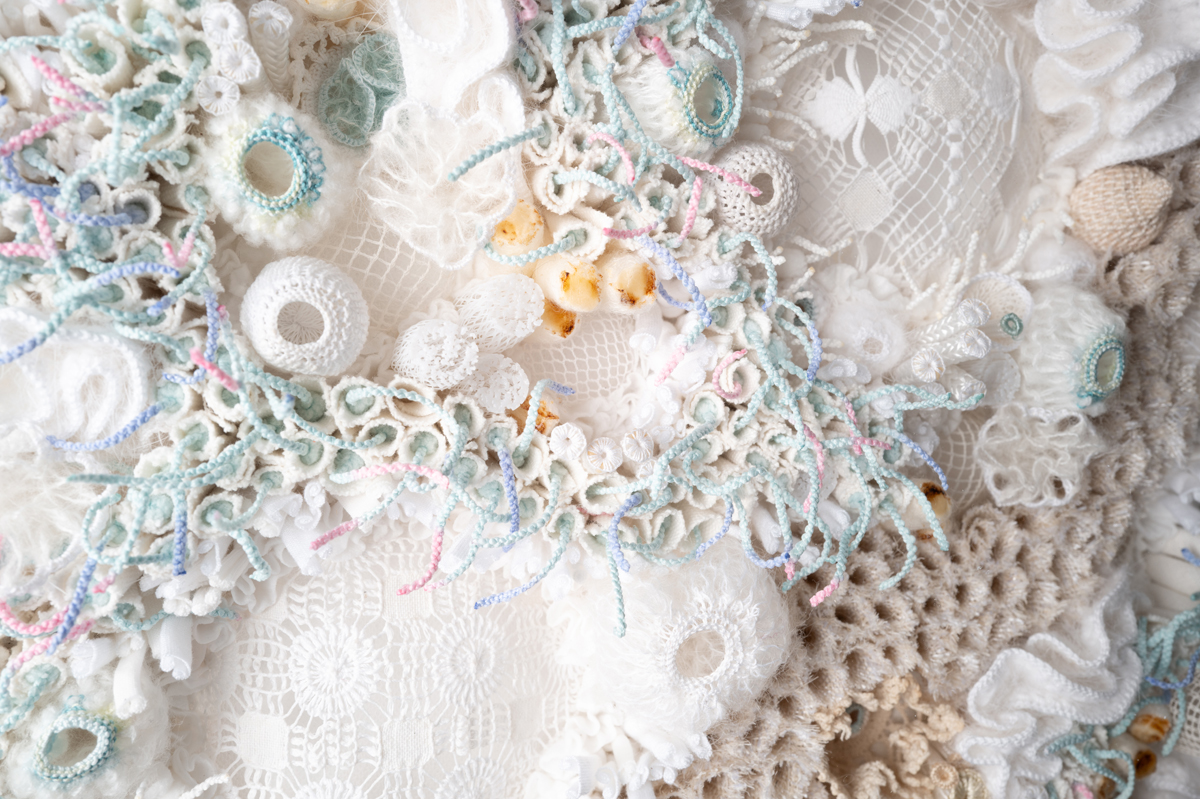
Isabelle D
Untitled (Porcelain 2026), 2026
ID: ID26-04
Porcelaine, glaze, vintage lacing roll and crocheted threat
100 x 40 x 40 cm

Isabelle D
Untitled (Porcelain 2026), 2026
ID: ID26-03
Stoneware, glaze, vintage lacing roll and crocheted threat
140 x 40 x 40 cm

Isabelle D
Untitled (Porcelain 2026), 2026
ID: ID26-05
Porcelaine, glaze, vintage lacing roll and crocheted threat
140 x 40 x 40 cm

Isabelle D
Untitled (Porcelain 2026), 2026
ID: ID26-06
Porcelaine, glaze, vintage lacing roll and crocheted threat
110 x 10 x 10 cm

Isabelle D
A. Officinalis series, 2026
ID: ID26-01
Crocheted fibers and mixed media on canvas, framed
40 x 40 x 10 cm

Isabelle D
A. Officinalis series, 2026
ID: ID26-02
Crocheted fibers and mixed media on canvas, framed
40 x 40 x 10 cm

Isabelle D
A. Officinalis series, 2025
ID: ID25-16
Crocheted fibers and mixed media on canvas, framed
12 x 12 x 5 cm

Sahlah Davis
Off-cuts in a Kadoes, 2024
ID: SD26-02
Mixed Media
70 x 50 x 42 cm

Sahlah Davis
Boeya Sewing in the Basement, Church Street Bokaap, 2024
ID: SD26-01
Mixed Media
60 x 63 x 40 cm

Matthew Gallagher
After Zurbarán 3, 2021-2022
ID: MG25-01
wax, graphite, drafting film
31 x 28.5 cm

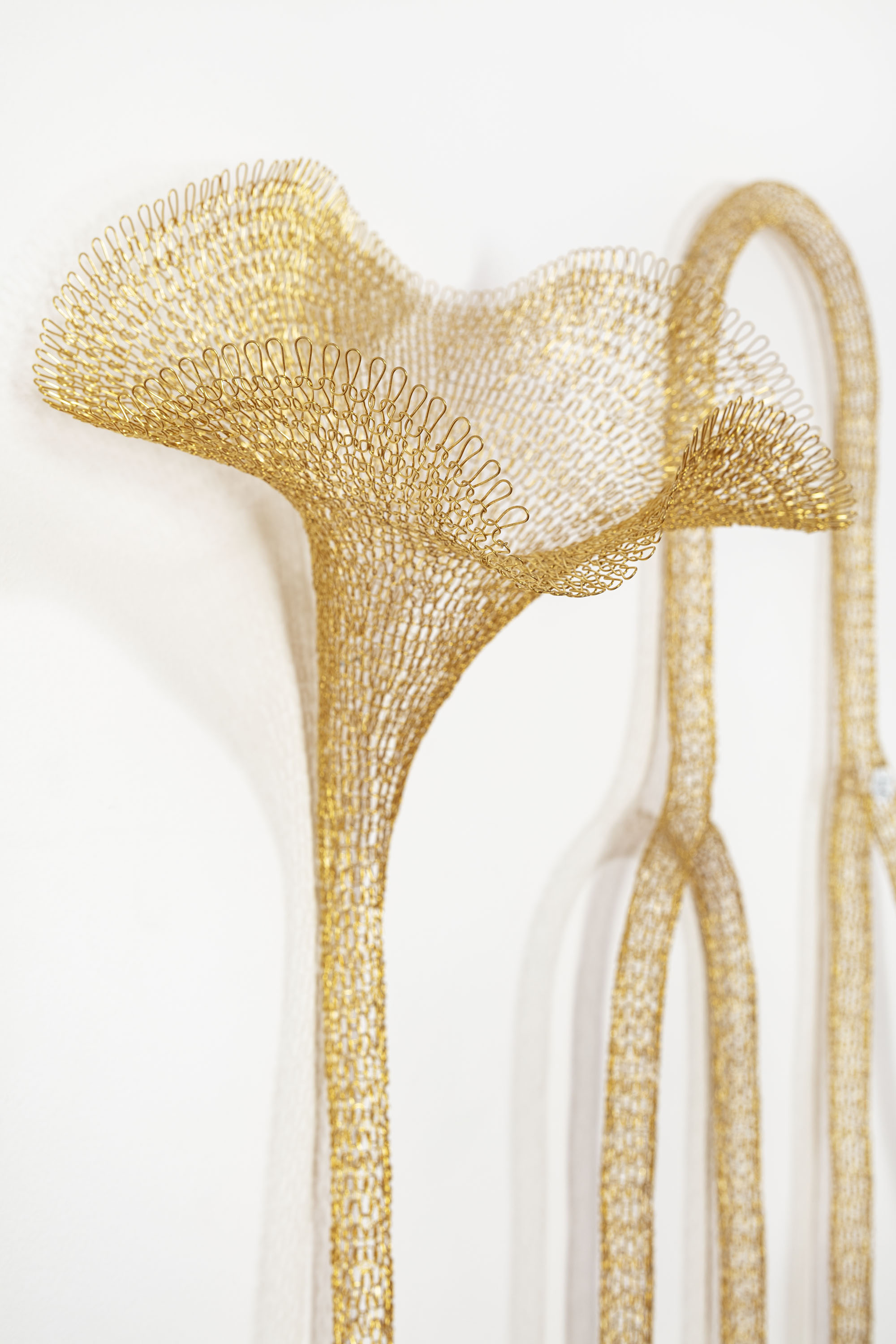
Caio Marcolini
CLN255, 2025
ID: CM26-01
Brass wire weave
180 x 120 x 30 cm

Caio Marcolini
CLN263, 2025
ID: CM26-02
Oxidised brass wire weave
170 x 100 x 30 cm