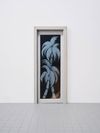
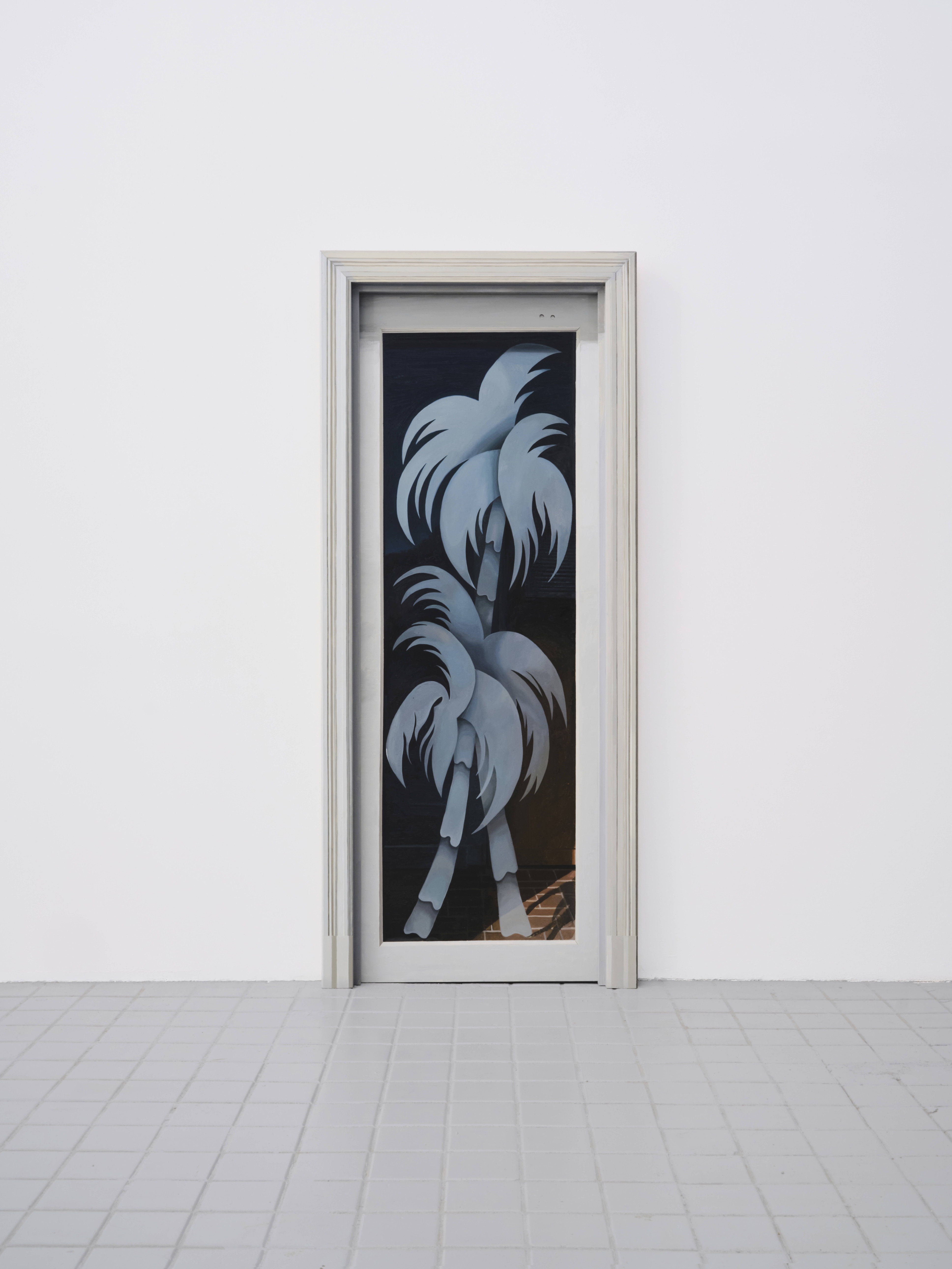
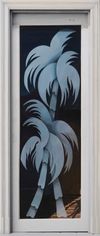
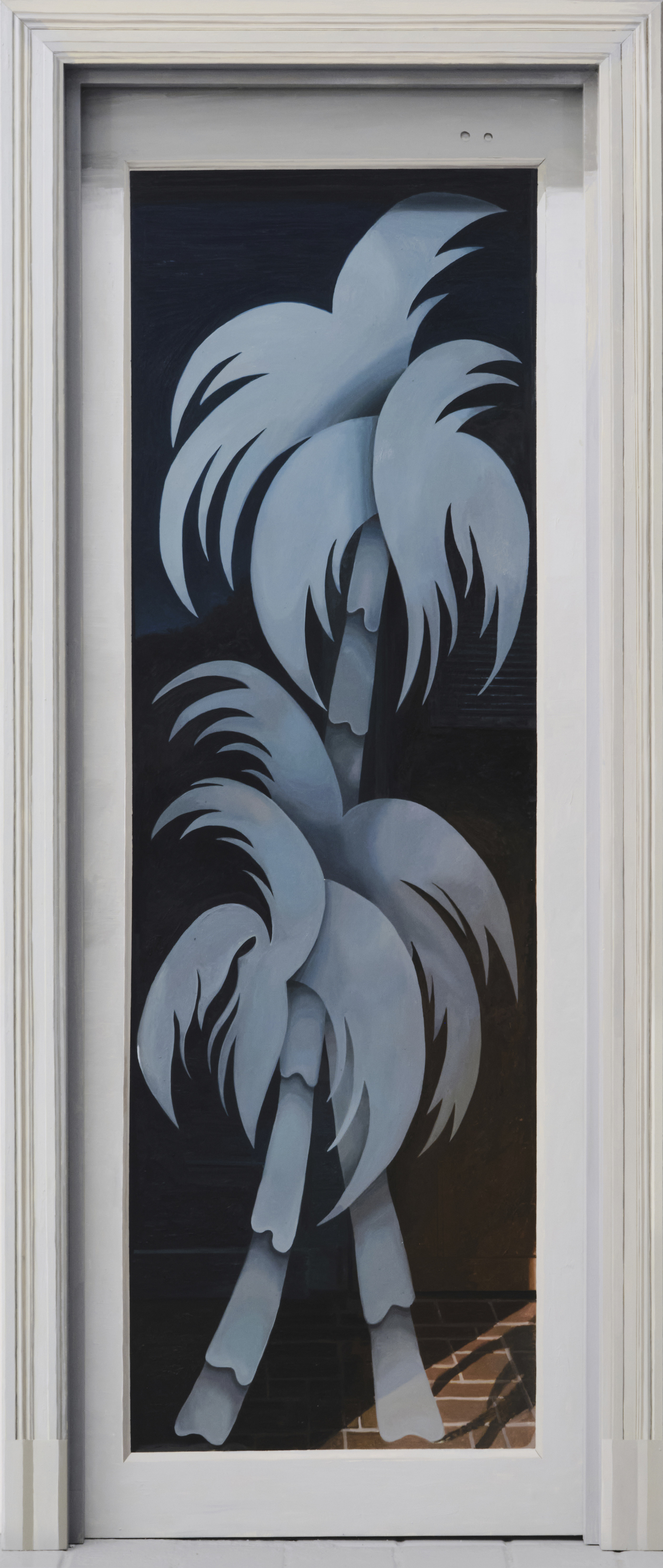
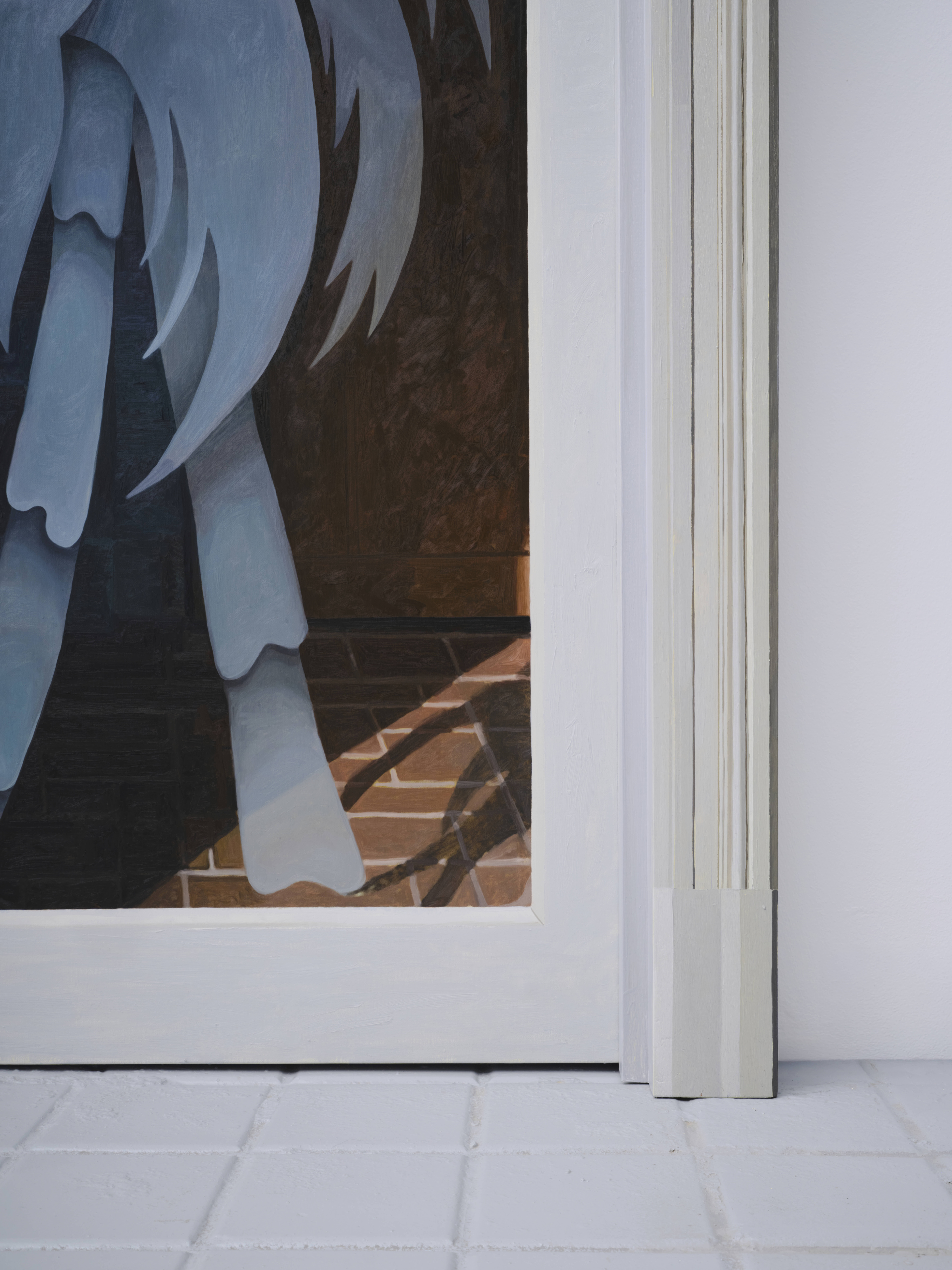
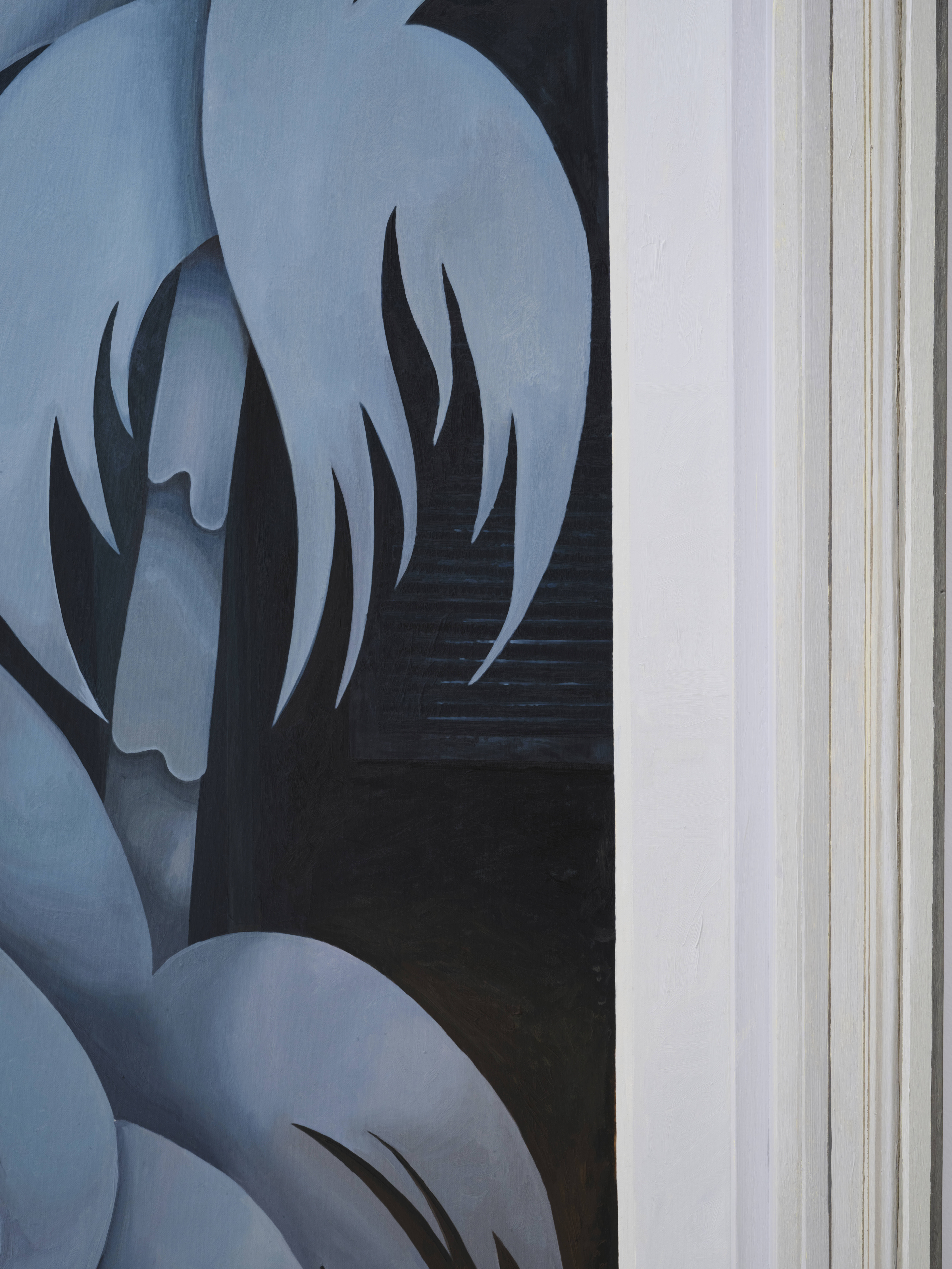
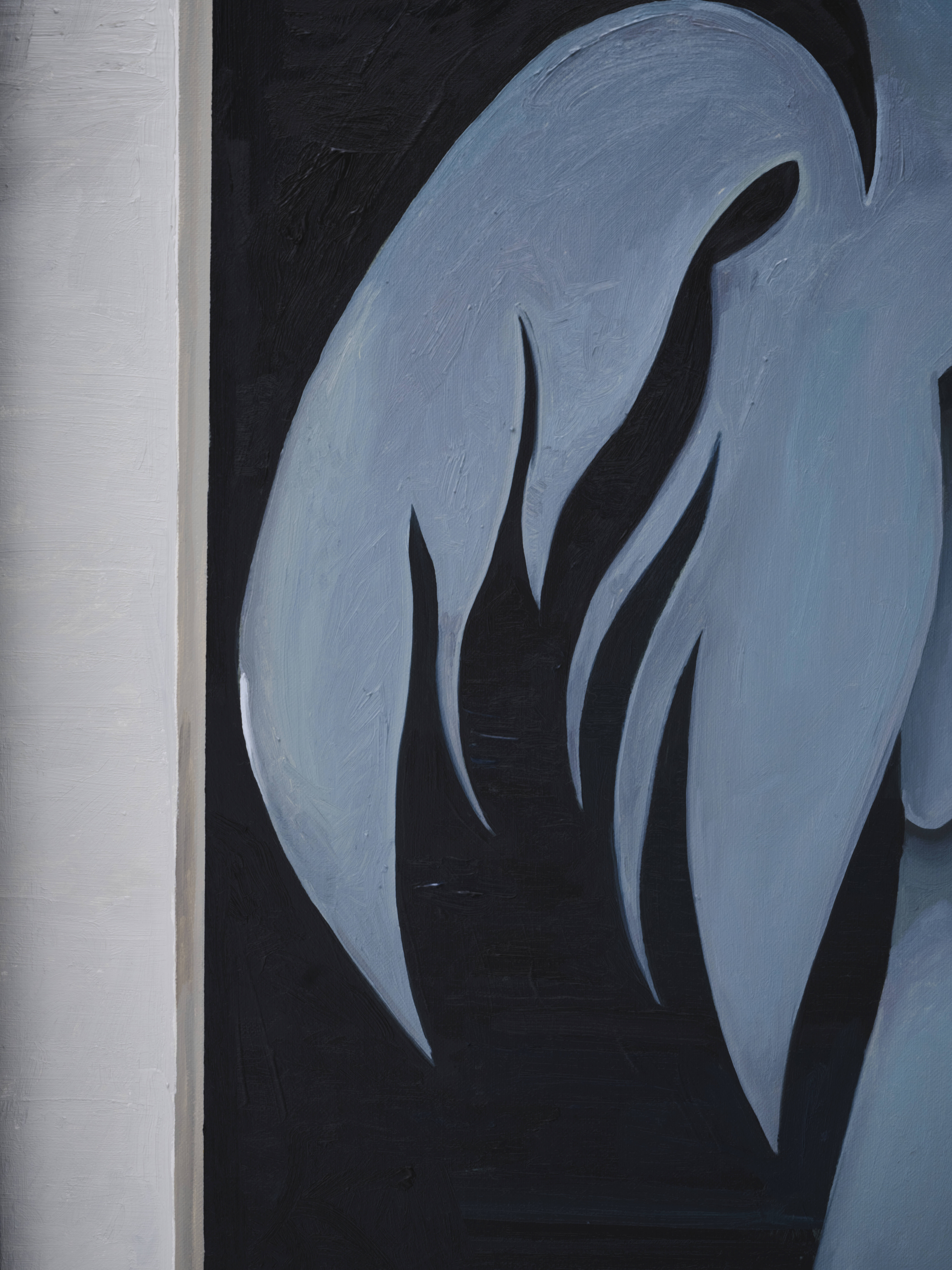
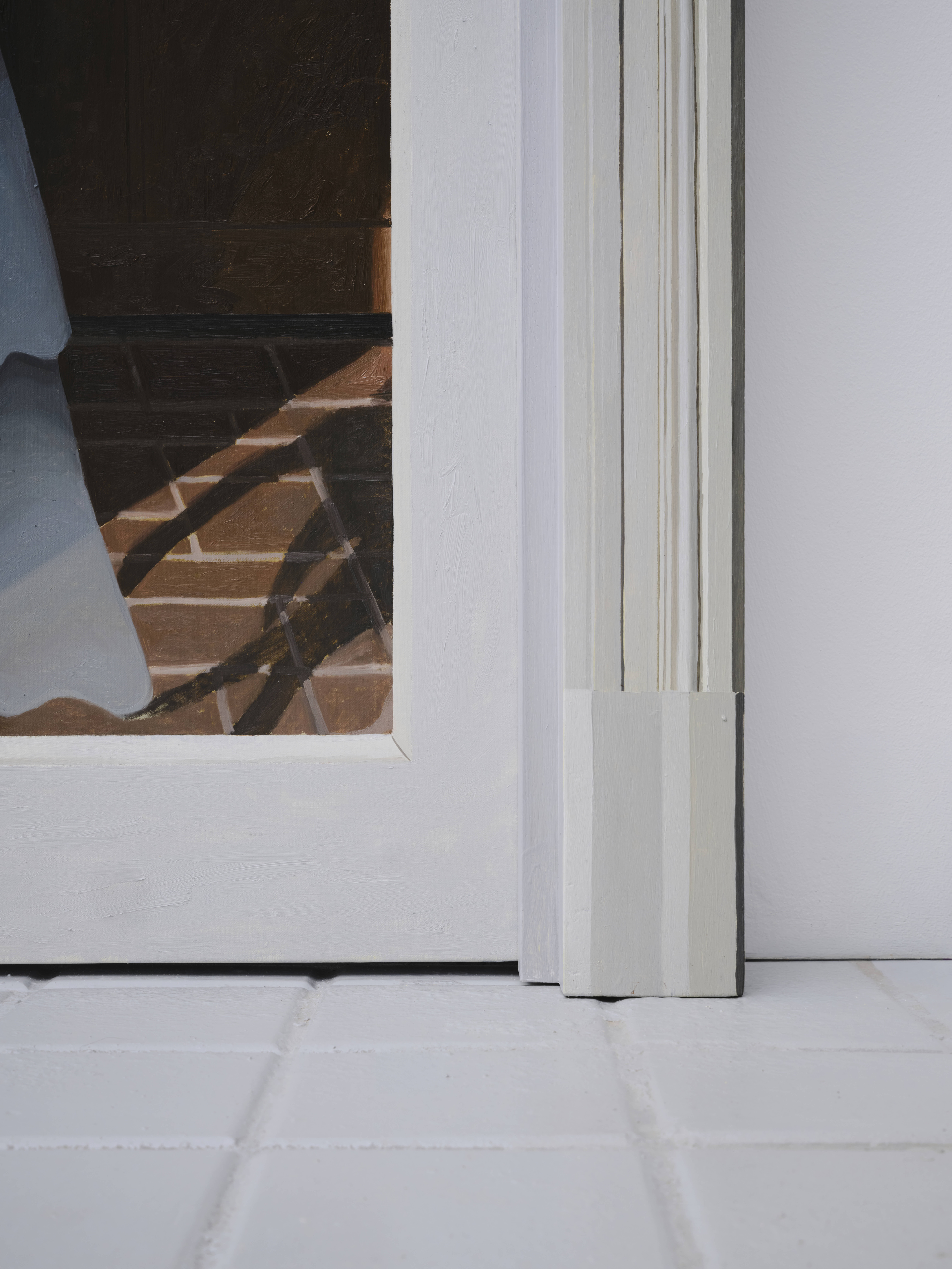
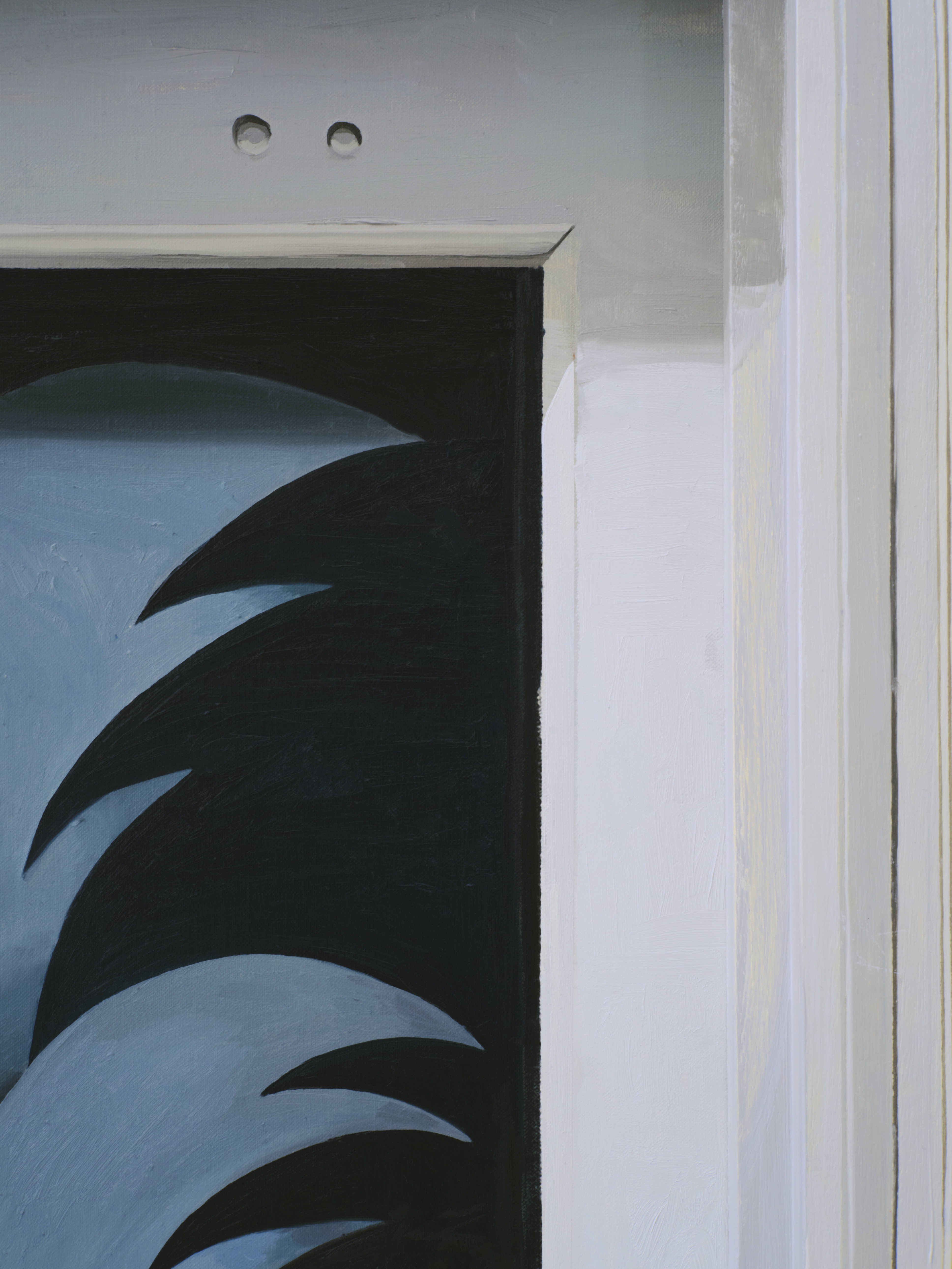
Rooted in the visual and conceptual mechanics of trompe-l'œil, this two-part painting project investigates the passage of time, the malleability of memory, and existential absence through illusory architectural thresholds that playfully subvert human perception. By depicting windows and doors that seem to breach the physical limits of the canvas, the work establishes a deliberate paradox: neither does the window grant genuine access to an exterior world nor does the door open into an adjoining chamber, rendering both apertures physical and conceptual deceptions that permanently suspend the viewer's arrival. This dynamic draws directly on Saint Augustine’s reflections in Book XI of Confessions, which frames the past as memory, the present as immediate attention, and the future as expectation. Cuando ya no quede nadie, evacuates all animal and human life, turning absence into the protagonist as untamed nature steadily encroaches to erase our ephemeral traces. Here, the door stands as an emblem of the future and the existential anxiety of the unknown, yet because it leads nowhere, its promise of exit, continuation, or answers remains unresolved, leaving behind a subtle irony that confronts human self-importance with a natural world that thrives on its own terms, wholly indifferent to whether anyone is left to witness it.