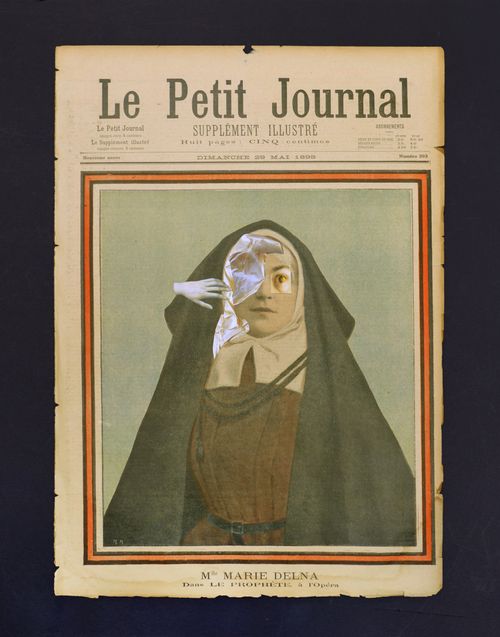
Leonel Castañeda Galeano
Sin título, 2019
Collage. Periódico Le petit journal intervenido
40 x 31 cm
Precio: 12.000.000 COP
Precio con IVA incluido del 19%

Español
Retomando las múltiples imágenes de la tapada limeña, mujeres cubiertas por mantillas que dejaban apenas un ojo al descubierto, Leonel Castañeda Galeano nos confronta con una pregunta: ¿quién mira cuando apenas podemos ver el rostro? Durante el periodo colonial, esta forma de vestir, de origen musulmán e incorporada a la cultura española, llegó a América y adquirió en Lima características propias. Su uso, documentado desde el periodo virreinal, alcanzó particular fuerza entre los siglos XVII y XVIII y se mantuvo durante buena parte del XIX, hasta convertirse en una de las imágenes más características de la ciudad.
La mantilla envolvía la cabeza, los hombros y buena parte del rostro, mientras una amplia falda cubría el cuerpo y transformaba su silueta. La mujer estaba presente, pero su identidad permanecía velada. Antonio de León Pinelo, jurista y escritor español del siglo XVII, dedicó un tratado a los velos y a la llamada Real Premática de las Tapadas. En 1641, al recoger las críticas de quienes buscaban prohibirlos, escribía: “Ha venido a tal estremo el uso de andar tapadas las mujeres que dello han resultado grandes ofensas de Dios y notable daño de la República, a causa de que en aquella forma no conoce el padre a la hija ni el marido a la mujer ni el hermano a la hermana, y tienen la libertad y tiempo y lugar a su voluntad [...]”.
El temor que expresa este pasaje no se dirige únicamente a una prenda. Lo que inquieta es la posibilidad de que una mujer salga, se desplace y mire sin que su identidad pueda ser inmediatamente establecida. El tapado alteraba las formas habituales de reconocimiento y, con ellas, las relaciones entre quienes miraban y quienes eran mirados. Pero el vestido también tenía una relación ambigua con la moral y el deseo. Mientras el velo podía asociarse con la mujer virtuosa, la santa o aquella que acudía a misa con la cabeza cubierta, el tapado podía relacionarse con la prostitución. La misma acción de cubrirse producía significados opuestos: el velo protegía la virtud; el tapado podía alimentar el misterio, la sospecha y el deseo. No se trataba, sin embargo, de una diferencia absoluta. Ambos compartían una misma operación: cubrir el cuerpo para hacerlo aparecer de otra manera.
La tela no hacía desaparecer el cuerpo, sino que lo transformaba. Los pliegues de la mantilla, la caída de la falda y, sobre todo, ese único ojo visible convertían a la tapada en una figura intensamente presente. Una visión de lo femenino que ocultaba para hacerse más visible. El hombre podía mirar sin necesariamente reconocer; la mujer podía observar sin revelar completamente quién era.
La mirada dejaba así de pertenecer exclusivamente al hombre. La fuerza de la tapada estaba en sus pliegues. La tela se recogía, se superponía y envolvía el cuerpo, ocultando una superficie tras otra. Cada pliegue escondía algo y, al mismo tiempo, lo sugería. Cuanto menos podía verse, más podía imaginarse. El ocultamiento podía incluso poner en cuestión la diferencia entre lo femenino y lo masculino. El propio León Pinelo menciona a “los hombres vestidos como mujeres y tapados, sin poder ser conocidos”, a quienes se atribuían “grandes maldades y sacrilegios”. La frase deja ver que el tapado no solo ocultaba el rostro: también podía alterarla apariencia del cuerpo y hacer posible que quien lo llevaba no fuera reconocido como hombre o mujer.
Aunque su uso fue cuestionado y perseguido mediante disposiciones y críticas, las mujeres limeñas continuaron llevando el tapado casi por tres siglos. Su persistencia revela que no era solamente una moda, sino una manera de habitar la ciudad, de ocultarse y también de mirar.
Entre el velo de la santa y el tapado de la mujer asociada al deseo, entre lo femenino y lo masculino, entre quien mira y quien es mirado, Leonel Castañeda Galeano nos devuelve a ese ojo que permanece abierto entre los pliegues. Un ojo que nos mira y cuya identidad, como la de la propia tapada, permanece oculta.
Sigrid Castañeda
Referencias: Antonio de León Pinelo. Velos antiguos y modernos en los rostros de las mujeres: sus
conveniencias y daños. Ilustración de la Real Premática de las Tapadas. Madrid: Juan Sánchez, 1641, cap.
XXI, pp. 344–345. Edición electrónica de Enrique Suárez Figaredo, Lemir, 13 (2009), pp. 235–388
English
Revisiting the many images of the *tapada limeña*—women shrouded in mantillas that left barely a single eye exposed—Leonel Castañeda Galeano confronts us with a question: who is looking when the face is scarcely visible? During the colonial era, this style of dress—originally Muslim and adopted into Spanish culture—arrived in the Americas and took on unique characteristics in Lima. Documented as early as the viceregal period, the practice gained significant momentum during the 17th and 18th centuries and persisted well into the 19th, eventually becoming one of the city’s most iconic images.
The mantilla enveloped the head, shoulders, and much of the face, while a voluminous skirt covered the body, transforming the wearer's silhouette. The woman was present, yet her identity remained veiled. Antonio de León Pinelo, a 17th-century Spanish jurist and writer, dedicated a treatise to veils and the so-called *Real Premática de las Tapadas* (Royal Decree on Veiled Women). In 1641, echoing the criticisms of those who sought to ban the practice, he wrote: "The custom of women going about veiled has reached such an extreme that it has resulted in grave offenses against God and significant harm to the Commonwealth; for in this guise, a father cannot recognize his daughter, nor a husband his wife, nor a brother his sister, and they possess the freedom, time, and opportunity to act as they please..."
The fear expressed in this passage is not directed solely at a garment. What is unsettling is the possibility of a woman going out, moving about, and observing others without her identity being immediately ascertainable. The *tapado* disrupted conventional modes of recognition and, by extension, the dynamics between those who looked and those who were looked at. Yet, the attire also held an ambiguous relationship with morality and desire. While the veil might be associated with the virtuous woman, the saint, or the churchgoer with a covered head, the *tapado* could be linked to prostitution. The very act of covering oneself generated contradictory meanings: the veil protected virtue, whereas the *tapado* could fuel mystery, suspicion, and desire. It was not, however, a matter of an absolute difference. Both shared the same operation: covering the body to make it appear in a different way.
The fabric did not make the body disappear; rather, it transformed it. The folds of the *mantilla*, the drape of the skirt, and—above all—that single visible eye turned the *tapada* into a figure of intense presence. It was a vision of femininity that concealed itself in order to become more visible. A man could look without necessarily recognizing; a woman could observe without fully revealing who she was.
The act of looking thus ceased to belong exclusively to the man. The power of the *tapada* lay in her folds. The fabric was gathered, layered, and wrapped around the body, concealing one surface after another. Each fold hid something while simultaneously suggesting it. The less there was to see, the more there was to imagine. This concealment could even call into question the distinction between the feminine and the masculine. León Pinelo himself mentions "men dressed as women and veiled, impossible to identify," to whom "great acts of wickedness and sacrilege" were attributed. This phrase reveals that the *tapado* did not merely hide the face; it could also alter the body's appearance, making it possible for the wearer to go unrecognized as either man or woman.
Although its use was challenged and suppressed through official decrees and criticism, the women of Lima continued to wear the *tapado* for nearly three centuries. Its persistence reveals that it was not merely a fashion trend, but a way of inhabiting the city—a way of concealing oneself and, at the same time, of looking.
Between the veil of the saint and the *tapado* of the woman associated with desire; between the feminine and the masculine; between the one who looks and the one who is looked at—Leonel Castañeda Galeano brings us back to that eye remaining open amidst the folds. An eye that gazes back at us, yet whose identity—like that of the *tapada* herself—remains hidden.
Sigrid Castañeda
References: Antonio de León Pinelo. *Velos antiguos y modernos en los rostros de las mujeres: sus conveniencias y daños* [Ancient and Modern Veils on Women's Faces: Their Merits and Drawbacks]. Illustration of the Royal Edict regarding the *Tapadas*. Madrid: Juan Sánchez, 1641, ch.
XXI, pp. 344–345. Electronic edition by Enrique Suárez Figaredo, Lemir, 13 (2009), pp. 235–388
Leonel Castañeda Galeano
Sin título, 2019
Collage. Periódico Le petit journal intervenido
40 x 31 cm
Precio: 12.000.000 COP
Precio con IVA incluido del 19%
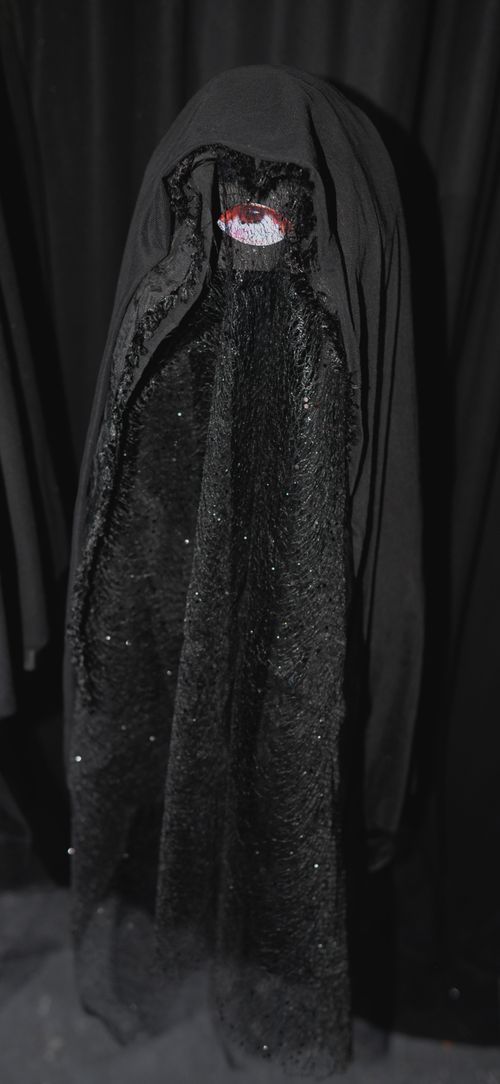
Leonel Castañeda Galeano
Sin título, 2018
Ensamblaje. Soporte, terciopelo y video
Medidas variables
Precio: 9.000.000 COP
Precio con IVA incluido del 19%
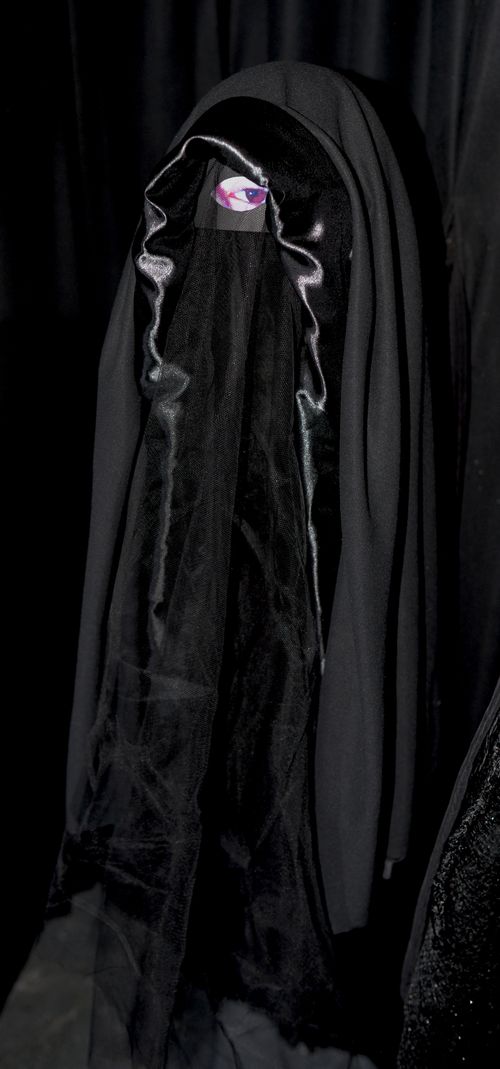
Leonel Castañeda Galeano
Sin título, 2018
Ensamblaje. Soporte, terciopelo y video
Medidas variables
Precio: 9.000.000 COP
Precio con IVA incluido del 19%
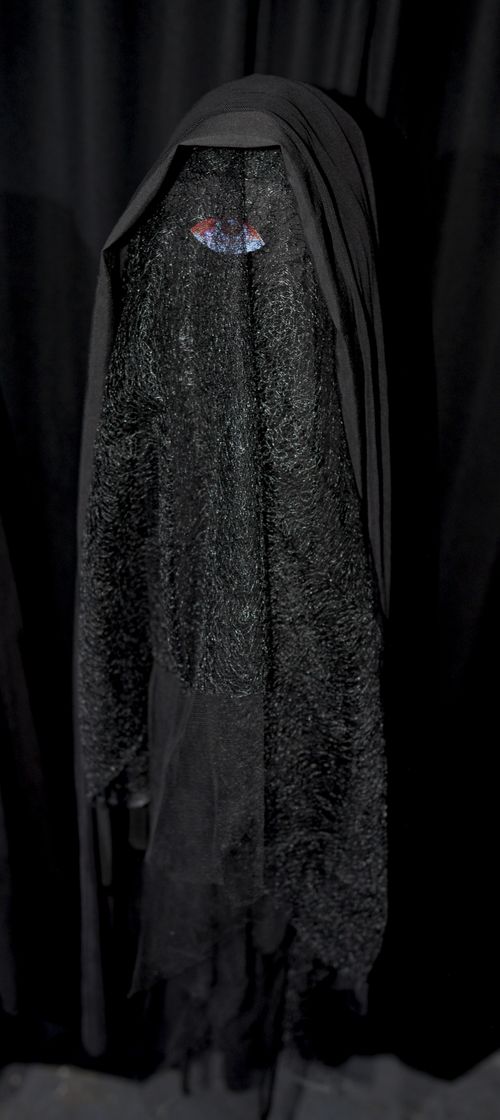
Leonel Castañeda Galeano
Sin título, 2018
Ensamblaje. Soporte, terciopelo y video
Medidas variables
Precio: 9.000.000 COP
Precio con IVA incluido del 19%
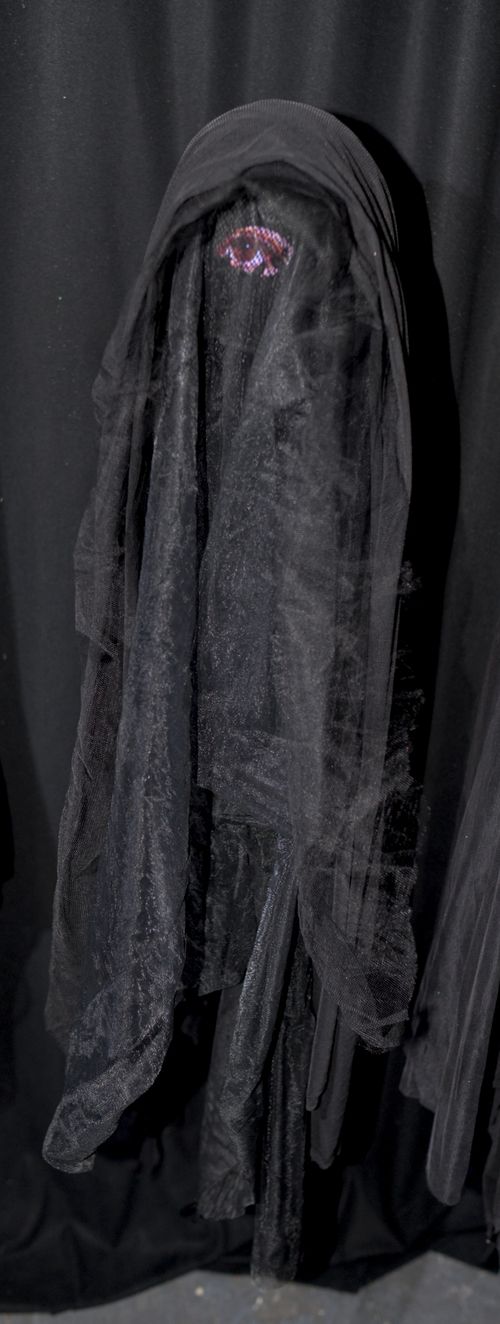
Leonel Castañeda Galeano
Sin título, 2018
Ensamblaje. Soporte, terciopelo y video
Medidas variables
Precio: 9.000.000 COP
Precio con IVA incluido del 19%
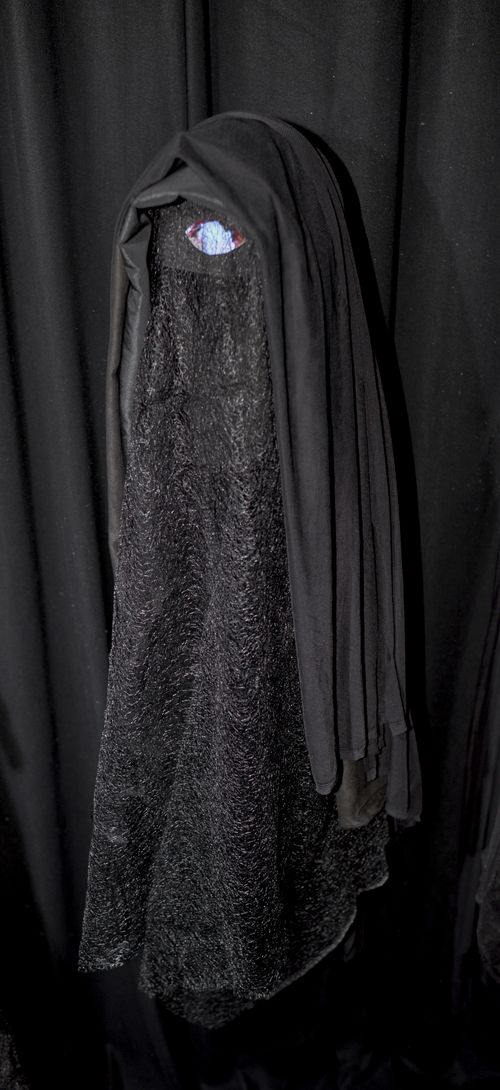
Leonel Castañeda Galeano
Sin título, 2018
Ensamblaje. Soporte, terciopelo y video
Medidas variables
Precio: 9.000.000 COP
Precio con IVA incluido del 19%
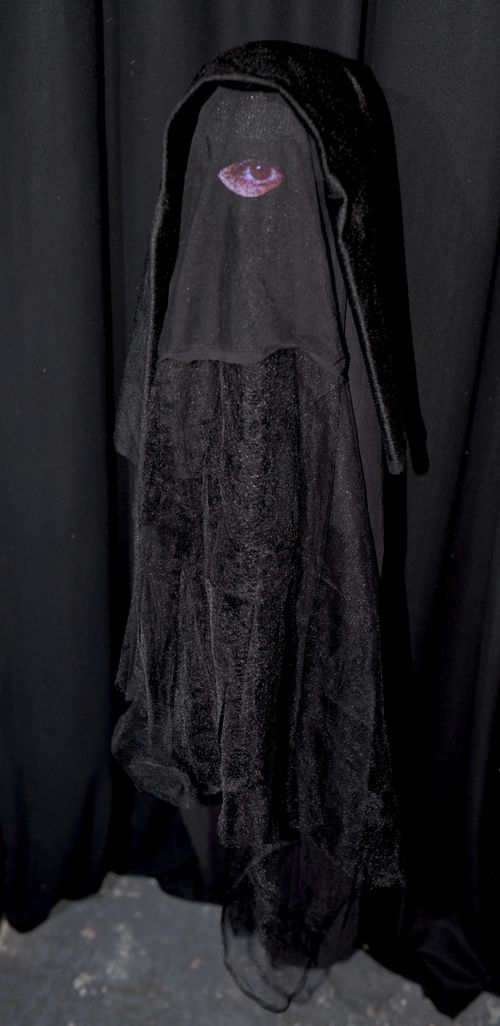
Leonel Castañeda Galeano
Sin título, 2018
Ensamblaje. Soporte, terciopelo y video
Medidas variables
Precio: 9.000.000 COP
Precio con IVA incluido del 19%
Español
Todas las obras se encuentran en Bogotá, Colombia, y están disponibles para la venta. Para información sobre precios, disponibilidad y condiciones de envío, escríbanos a hola@espacioeldorado.com
English
All works are located in Bogotá, Colombia, and are available for sale. For information on pricing, availability, and shipping, please write to us at hola@espacioeldorado.com