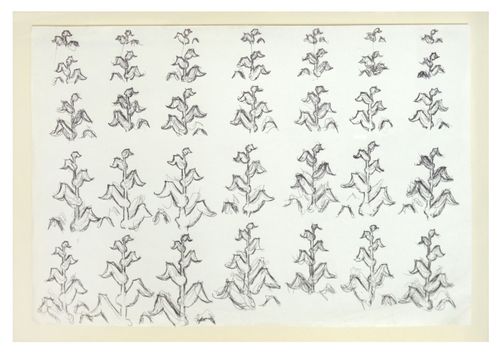
Antonio Caro
Sin título (Matas de maíz), Sf
Dibujo. Bolígrafo sobre papel
35 x 50 cm
Precio: 72.000.000 COP
Precio con IVA incluido del 19%
Español
«La necesidad del arte radica en que se desenvuelve a nivel simbólico. Y hasta este momento, lo simbólico es lo mejor que ha elaborado la especie humana.»
Antonio Caro, 2012.
«Lo mío es muy obvio y evidente. No entiendo por qué nadie me ha ganado en la presentación de esas cosas. O es que lo mío es muy bobo, o es que ese miope es bueno, porque soy muy miope.»
Antonio Caro, 2012.
Pocos artistas han logrado introducirse en el campo de las artes visuales con tanta fuerza como Antonio Caro. En 1973, cuando el crítico Germán Rubiano descalificó su trabajo del Salón Nacional, Caro fue a defenderlo pegándole una cachetada. Esa escena resume el carácter y singularidad de este artista que, durante cincuenta años operó desde los márgenes del circuito de las artes visuales.
Caro estudió en la Escuela de Bellas Artes de la Universidad Nacional entre 1969 y 1971. Desde 1970 —año de su primera participación en el Salón Nacional— exhibió en museos y espacios de Colombia, Ecuador, Venezuela, Perú, Brasil, México, Estados Unidos y Europa. Su obra está en el Tate Modern, el Reina Sofía, el Blanton Museum, el Queens Museum y el MIT, entre otras colecciones.
Su método viene del cruce entre dos tradiciones irreverentes. Del nadaísmo heredó la convicción de que el arte vive en lo cotidiano y en la provocación directa. Esa estética de la confrontación que Gonzalo Arango y sus contemporáneos instalaron en Colombia desde finales de los cincuenta.
Del arte conceptual, puntualmente de Bernardo Salcedo, aprendió el sarcasmo y la desmaterialización del objeto artístico. Con esas herramientas, Caro construyó lo que el crítico y artista Luis Camnitzer llamó una «guerrilla visual»: obras que apuntan cuidadosamente para errarle a los blancos definidos por la estructura de poder artística. La repetición fue su dispositivo central, entendida no como redundancia sino como énfasis, como modo de abrir nuevas lecturas a lo que ya estaba ahí, en la calle, esperando que alguien lo señalara.
Esta exposición reúne obras de algunas de sus series más reconocidas: "Todo está muy Caro" y "Homenaje a Quintín Lame", así como otras menos difundidas como "Su salud está por el suelo" y las intervenciones en la calle.
Valentina Gutiérrez Turbay
English
“The necessity of art lies in the fact that it operates on a symbolic level. And so far, the symbolic is the best thing the human race has produced.”
Antonio Caro, 2012.
“My work is very obvious and clear. I don’t understand why no one has surpassed me in presenting these things. Either my work is very silly, or that nearsighted person is good—because I’m very nearsighted.”
Antonio Caro, 2012.
Few artists have managed to break into the field of visual arts with as much force as Antonio Caro. In 1973, when critic Germán Rubiano disparaged his work at the National Salon, Caro defended it by slapping him across the face. That scene sums up the character and uniqueness of this artist, who, for fifty years, operated on the fringes of the visual arts scene.
Caro studied at the School of Fine Arts at the National University from 1969 to 1971. Beginning in 1970—the year of his first participation in the National Salon—he exhibited in museums and venues in Colombia, Ecuador, Venezuela, Peru, Brazil, Mexico, the United States, and Europe. His work is held in the Tate Modern, the Reina Sofía, the Blanton Museum, the Queens Museum, and MIT, among other collections.
His method stems from the intersection of two irreverent traditions. From Nadaísmo, he inherited the conviction that art lives in the everyday and in direct provocation—that aesthetic of confrontation that Gonzalo Arango and his contemporaries established in Colombia beginning in the late 1950s. From conceptual art—specifically from Bernardo Salcedo—he learned sarcasm and the dematerialization of the artistic object. With these tools, Caro constructed what critic and artist Luis Camnitzer called “visual guerrilla warfare”: works that carefully aim to miss the targets defined by the artistic power structure. Repetition was his central device, understood not as redundancy but as emphasis—as a way to open up new interpretations of what was already there, on the street, waiting for someone to point it out.
This exhibition brings together works from some of his best-known series: “Everything Is Very Expensive” and “Homage to Quintín Lame,” as well as lesser-known ones such as “His Health Is in Shambles” and his street interventions.
Valentina Gutiérrez Turbay
Antonio Caro
Sin título (Matas de maíz), Sf
Dibujo. Bolígrafo sobre papel
35 x 50 cm
Precio: 72.000.000 COP
Precio con IVA incluido del 19%
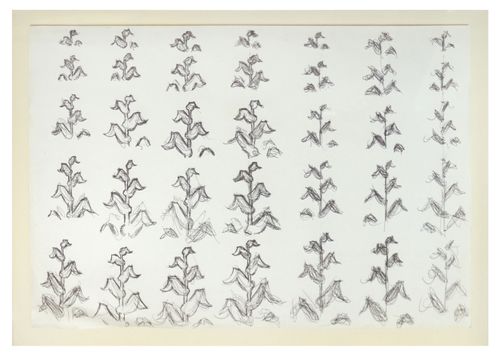
Antonio Caro
Sin título (Matas de maíz), Sf
Dibujo. Bolígrafo sobre papel
35 x 50 cm
Precio: 72.000.000 COP
Precio con IVA incluido del 19%
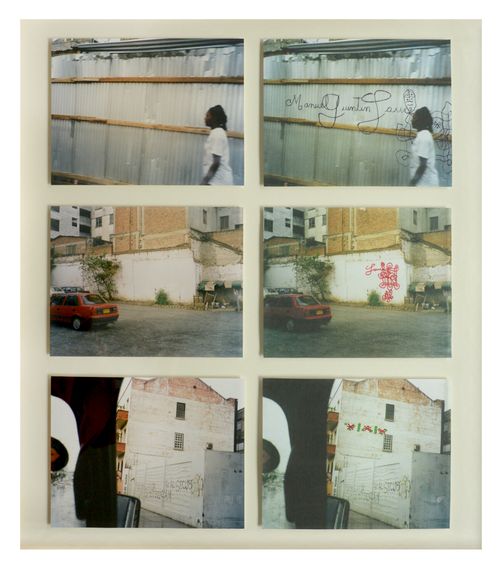
Antonio Caro
Sin título (Proyecto de intervención Homenaje a Quintín Lame) , Sf
Fotografía. Fotografías y fotocopias intervenidas en bolígrafo
77.2 x 69.4 cm (con marco)
Precio: 96.000.000 COP
Precio con IVA incluido del 19%
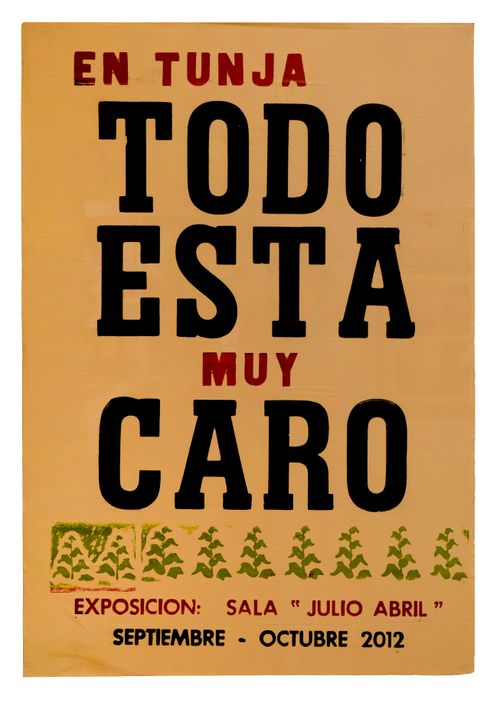
Antonio Caro
En Tunja Todo está muy Caro , 2012
Obra gráfica. Cartel tipográfico
73.8 x 53.7 cm (con marco)
Precio: 48.000.000 COP
Precio con IVA incluido del 19%
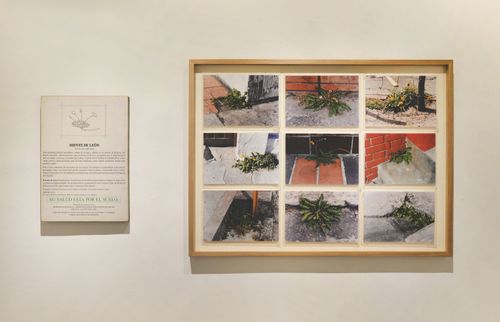
Antonio Caro
Diente de león (Taraxaco) , 2001
Fotografía. impresión digital sobre papel y 9 fotografías a color.
49.5 x 34.4 cm
77.8 x 107.7 cm (con marco)
Precio: 480.000.000 COP
Precio con IVA incluido del 19%
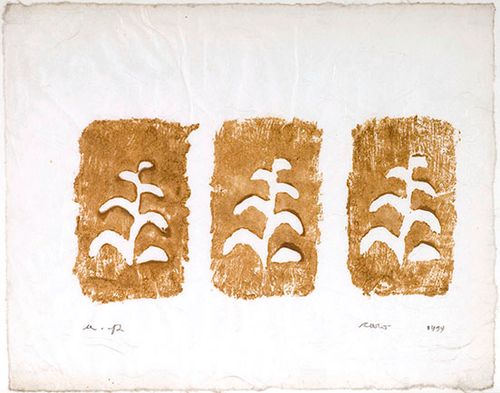
Antonio Caro
Maíz, 1994
Pintura. Acrílico sobre papel
25 x 31 cm (sin marco)
35.5 x 42.4 x 3 cm (con marco)
Precio: 120.000.000 COP
Precio con IVA incluido del 19%
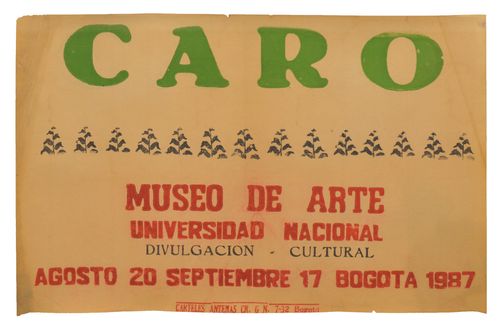
Antonio Caro
Caro Museo de Arte Universidad Nacional, 1987
Obra gráfica. Cartel tipográfico
58.7 x 76.7 cm (con marco)
Precio: 57.600.000 COP
Precio con IVA incluido del 19%
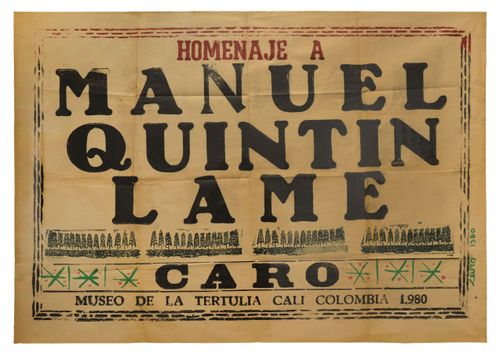
Antonio Caro
Homenaje a Manuel Quintin , 1980
Obra gráfica. Cartel tipográfico
79.6 x 109.8 cm (con marco)
Precio: 120.000.000 COP
Precio con IVA incluido del 19%
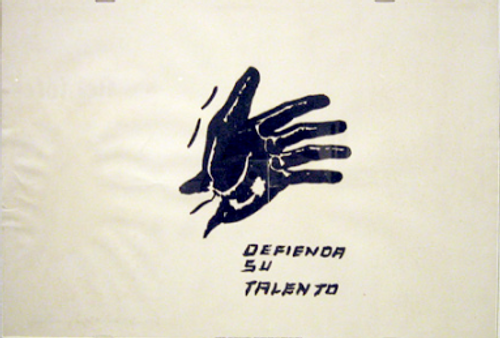
Antonio Caro
Defienda su talento, 1974
Obra gráfica. Litografía
40.4 x 52.2 x 3.5 cm (marco)
Precio: 24.000.000 COP
Precio con IVA incluido del 19%
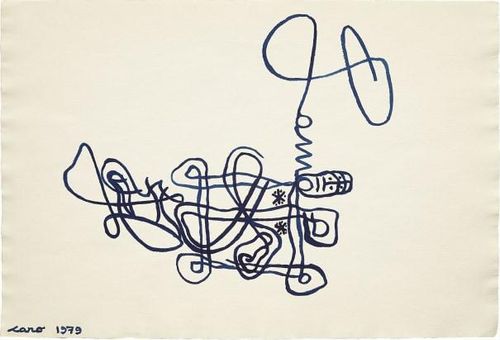
Antonio Caro
Quintín Lame, 1979
Dibujo. Tinta sobre papel
38.7 x 56.8 cm (sin marco)
59 x 77 x 4 cm (marco)
Precio: 384.000.000 COP
Precio con IVA incluido del 19%
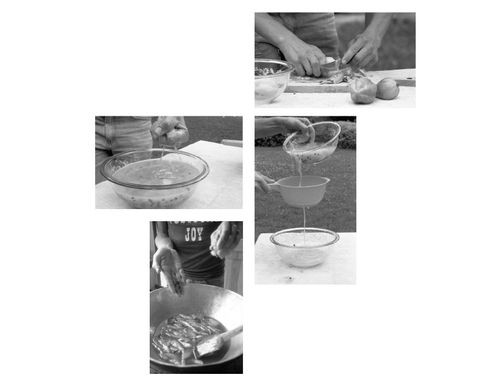
Óscar Monsalve
Dulce Zipacón - Registro de Acción exposición Ante América, 1992
Fotografía. Ampliación análoga en gelatina de plata. (Obra conformada por 4 fotografías)
20.5 x 25.5 cm (c/u)
Precio: 9.000.000 COP
Precio con IVA incluido del 19%
Español
Todas las obras se encuentran en Bogotá, Colombia, y están disponibles para la venta. Para información sobre precios, disponibilidad y condiciones de envío, escríbanos a hola@espacioeldorado.com
English
All works are located in Bogotá, Colombia, and are available for sale. For information on pricing, availability, and shipping, please write to us at hola@espacioeldorado.com