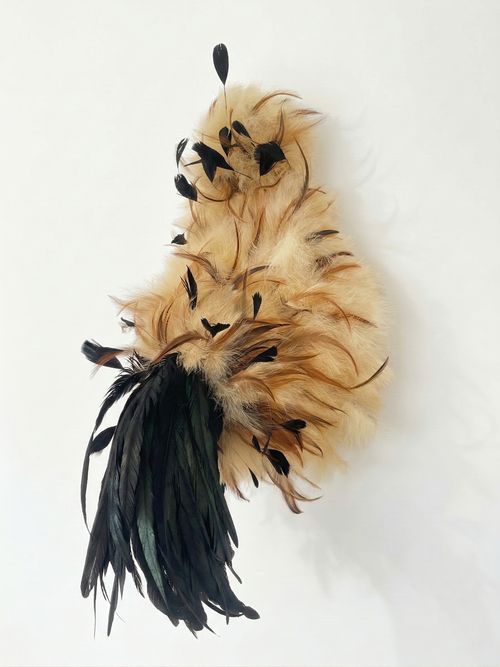
Zé Carlos García
Fiesta, 2025
Plumas [Feathers]
70 × 34 × 48 cm
27 9/16 × 13 3/8 × 18 7/8 in
Precio: 7,300 USD
The price does not include taxes or shipping
Disponible

Obra disponible [Available works]
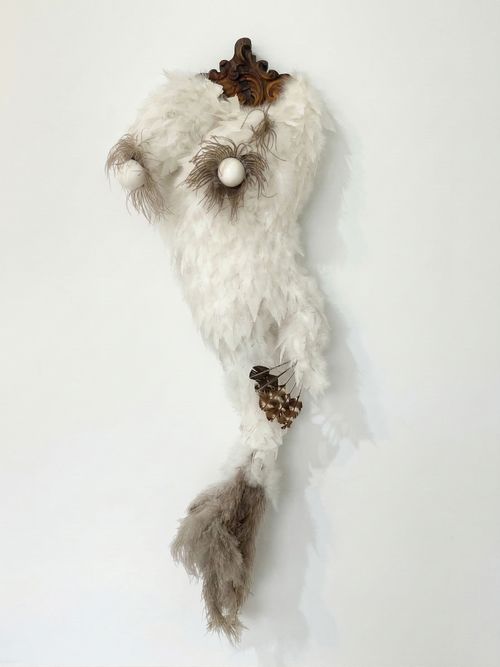
Zé Carlos García
Fiesta, 2025
Plumas [Feathers]
70 × 34 × 48 cm
27 9/16 × 13 3/8 × 18 7/8 in
Precio: 7,300 USD
The price does not include taxes or shipping
Zé Carlos García
Marzo, 2021
Plumas, huevos de gallina y madera [Feathers, chicken egg and wood]
100 × 36 × 25 cm
39 3/8 × 14 3/16 × 9 13/16 in
Precio: 6,500 USD
The price does not include taxes or shipping
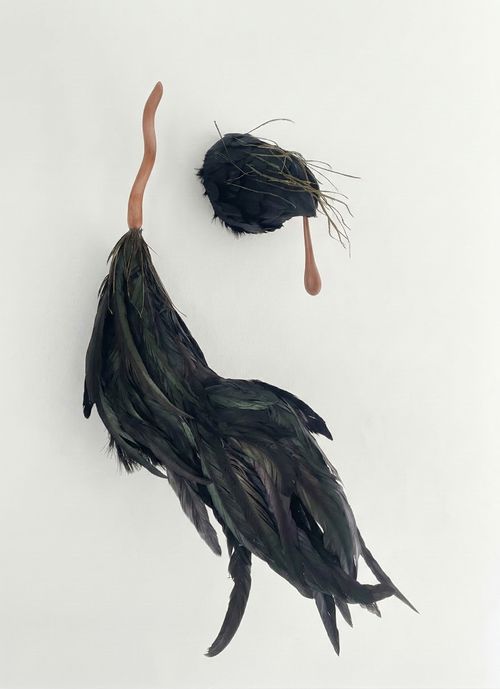
Zé Carlos García
Cortejo, 2025
Díptico en plumas y madera (ipé) [Dyptich on feathers and wood]
60 × 27 × 28 cm
23 5/8 × 10 5/8 × 11 1/16 in
Precio: 5,500 USD
The price does not include taxes or shipping
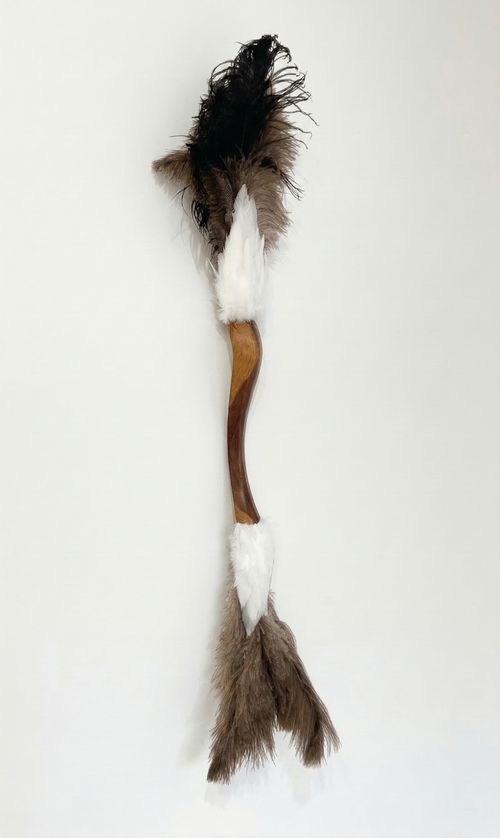
Zé Carlos García
Canto I, 2025
Plumas y fragmento de mobiliario [Feathers and wood]
125 × 25 × 10 cm
49 3/16 × 9 13/16 × 3 15/16 in
Precio: 5,000 USD
The price does not include taxes or shipping
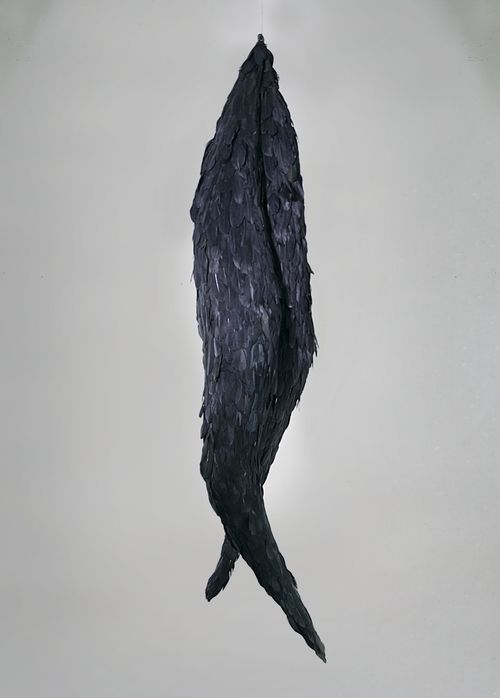
Zé Carlos García
Passaro, 2017
Plumas [Feather]
175 × 40 × 30 cm
68 7/8 × 15 3/4 × 11 13/16 in
Precio: 8,000 USD
The price does not include taxes or shipping
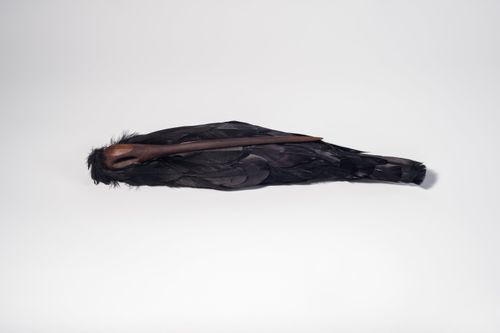
Zé Carlos García
Repousario, 2017
Madera y plumas [Wood and feathers]
7 × 14 × 40 cm
2 3/4 × 5 1/2 × 15 3/4 in
Precio: 2,500 USD
The price does not include taxes or shipping
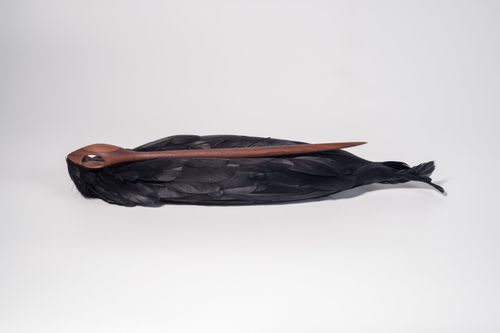
Zé Carlos García
Repousario, 2017
Madera y plumas [Wood and feathers]
8 × 14 × 49 cm
3 1/8 × 5 1/2 × 19 5/16 in
Precio: 2,500 USD
The price does not include taxes or shipping
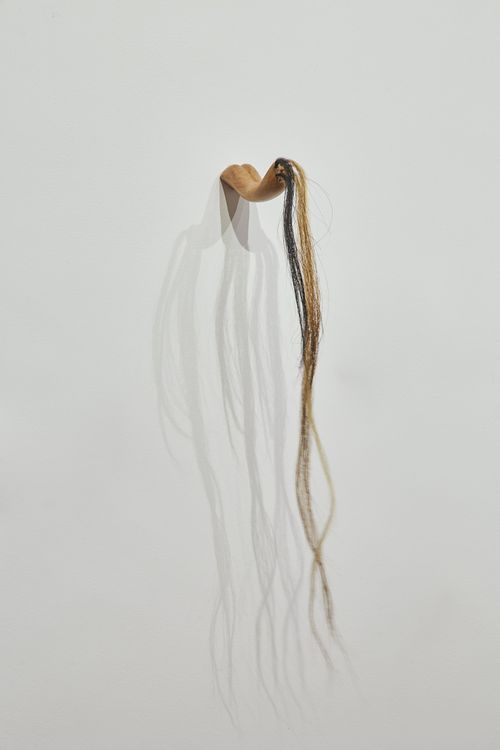
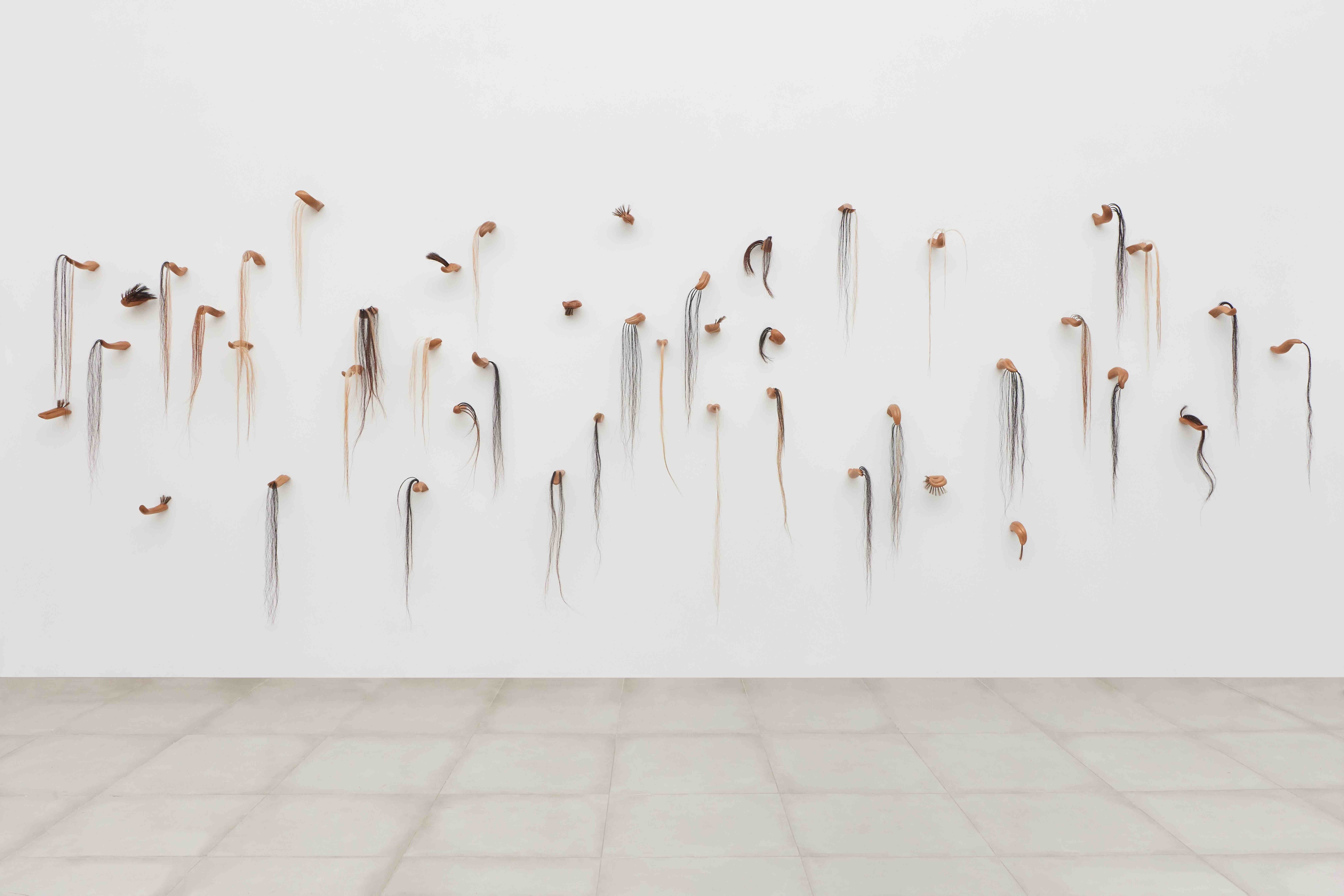
Zé Carlos García
língua (nº15) , 2019-2023
Talla en madera y crin de caballo [Wood carving and horsehair]
Precio: 1,500 USD
The price does not include taxes or shipping
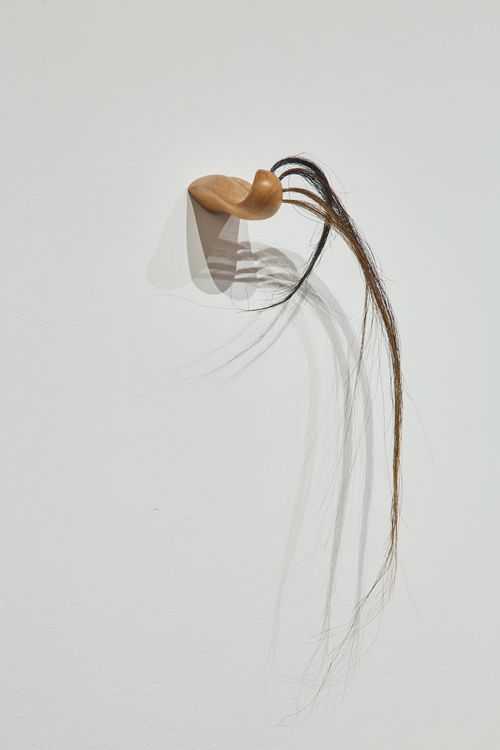
Zé Carlos García
língua (nº14) , 2019-2023
Talla en madera y crin de caballo [Wood carving and horsehair]
Precio: 1,500 USD
The price does not include taxes or shipping
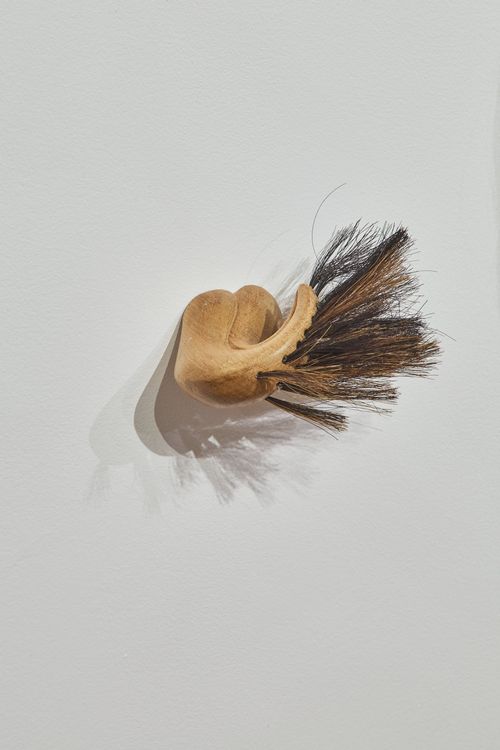
Zé Carlos García
língua (nº13) , 2019-2023
Talla en madera y crin de caballo [Wood carving and horsehair]
Precio: 1,500 USD
The price does not include taxes or shipping
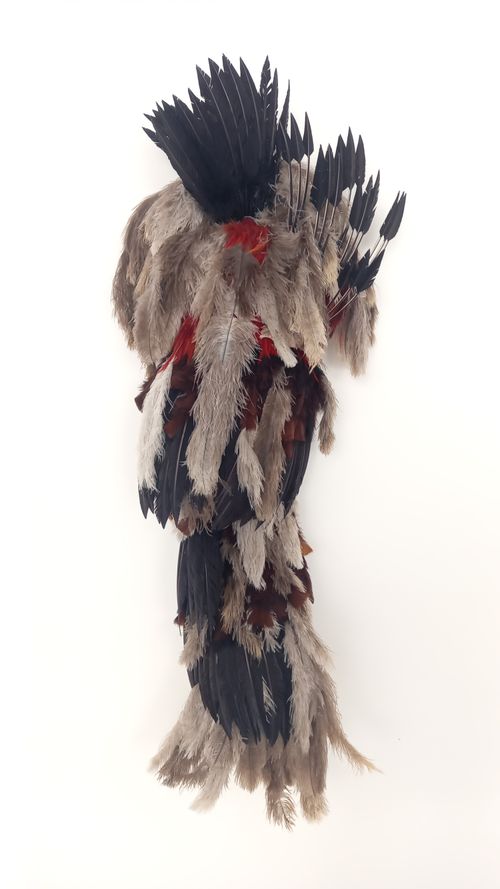
Zé Carlos García
Fogo Apagou, 2022
Plumas [Feathers]
143 × 50 × 25 cm
56 5/16 × 19 11/16 × 9 13/16 in
Precio: 12,200 USD
The price does not include taxes or shipping
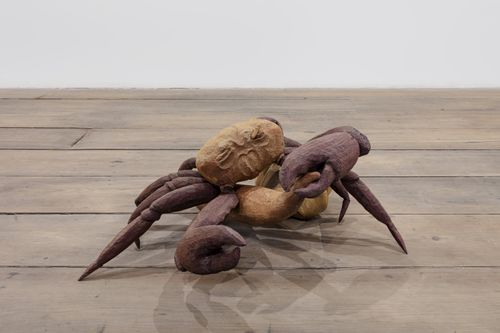
Zé Carlos García
Feira Paisagem, 2023
Talla en madera [Wood carving]
84 × 94 × 40 cm
33 1/16 × 37 1/16 × 15 3/4 in
Precio: 13,600 USD
The price does not include taxes or shipping
Zé Carlos Garcia, 1973, a visual artist, studied sculpture at the School of Fine Arts of the Federal University of Rio de Janeiro, attended the Visual Arts School at Parque Lage. Lives and works in Rio de Janeiro.
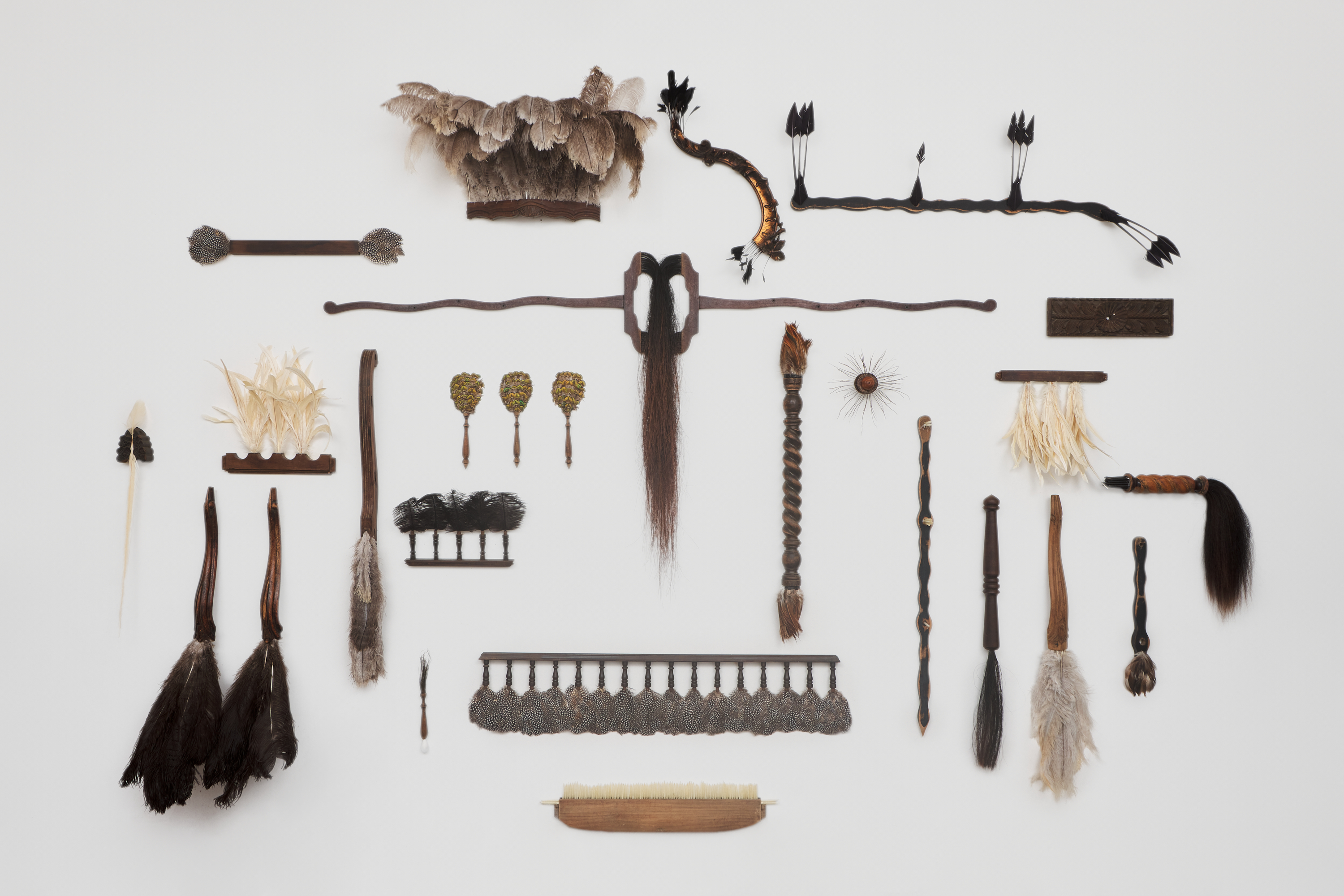
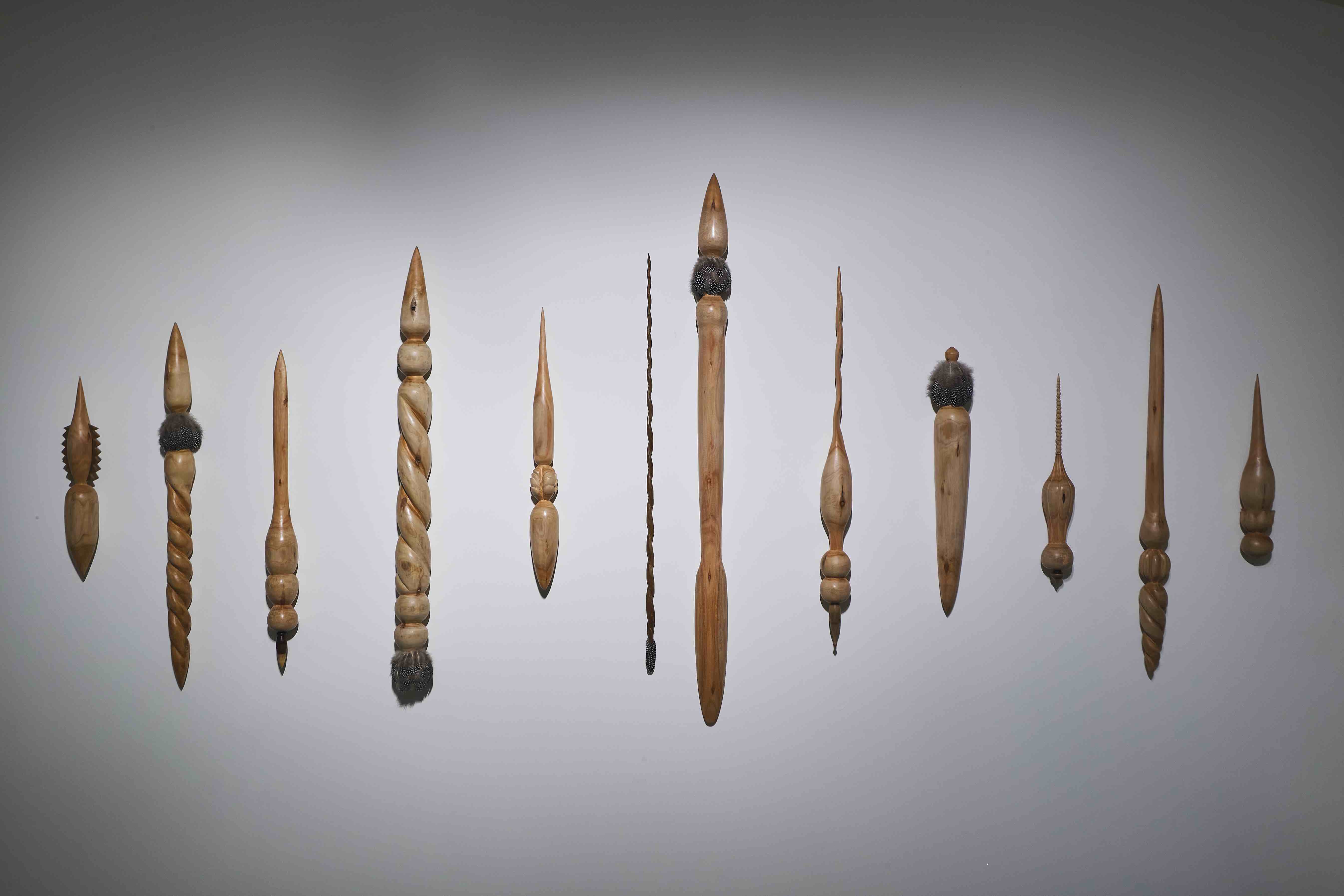
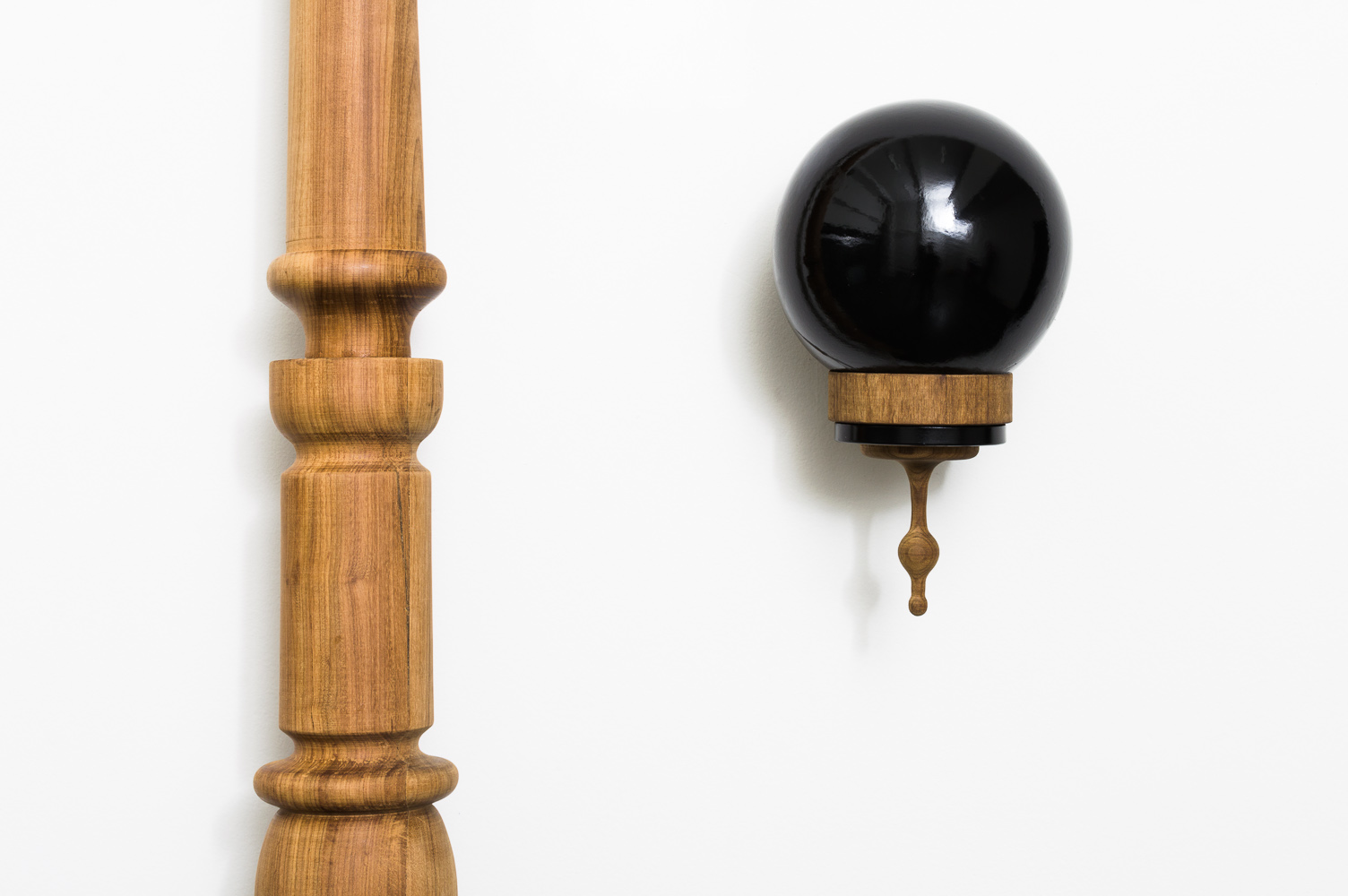
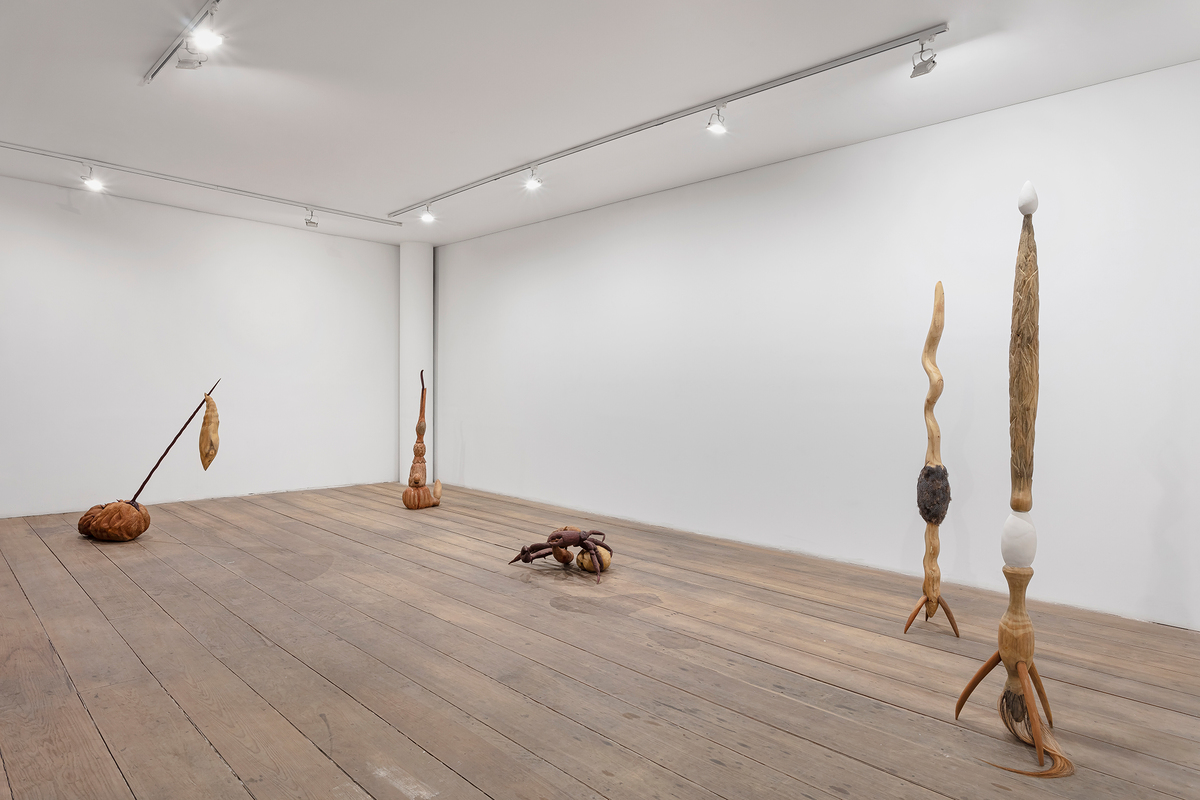
Zé Garcia’s sculptures present themselves as uncanny shapeshifters that can recombine their members to conjure up different species of insect, or transform pieces of furniture by cloaking them in plumage. This adding-on creates hybrids that not only preserve the meanings of their constituent parts, but also generate morbid curiosities out of distortions of their natures. Garcia seems to want to evince a certain perversity in his audience, caught somewhere between revulsion and fascination, playing on their voyeurism before such mangled bodies, however fictional they may be.
The symbolism of the discourses of power that mark the construction of the history of humanity is also present in Zé Garcia's research, as in the "busts", with his notion of ephemerality and ruin, and in the horsehair flags and wooden stakes which refer us to masts, equestrian sculptures and obelisks, landmarks of conquest and narratives of territories.
The “construction” of his work originates from existing bodies, sometimes dead, static, found, natural or artificial, and generates objects – beings – under the sign of sculpture. Parts and fragments of antique furniture associated with carnival plumes and feathers are arranged to create hybrids with aesthetic and allegorical power.
His sculptures go in the opposite direction to the works created for posterity and executed in consistent materials, dialoguing with the dimension of eternity and ruin, with the construction of an ideal and the loss of power.
The artist therefore suggests a discussion with the body as centerpiece – be it animal, human or sculptural – and experience as voluntary action that alters the landscape, undergoing constant morphological change, also through the addition of new elements.
-
Zé Carlos Garcia, 1973, es un artista visual que estudió escultura en la Escuela de Bellas Artes de la Universidad Federal de Río de Janeiro y asistió a la Escuela de Artes Visuales en el Parque Lage. Vive y trabaja en Río de Janeiro.
Las esculturas de Zé Garcia se presentan como combinados de partes para evocar diferentes especies. Transforma piezas de mobiliario al cubrirlas con plumas, adiciona elementos para crear híbridos que no solo preservan los significados de sus partes constituyentes a partir de distorsiones en su naturaleza. Garcia parece querer provocar una cierta perversidad en su audiencia, atrapada entre la repulsión y la fascinación, jugando con su voyeurismo ante estos cuerpos deformados, por ficticios que sean. La “construcción” de su obra se origina en cuerpos existentes, a veces muertos, estáticos, encontrados, naturales o artificiales, y genera objetos – seres – bajo el signo de la escultura.
El simbolismo de los discursos de poder que marcan la construcción de la historia de la humanidad también está presente en la investigación de Zé Garcia con su noción de efimeridad y ruina. Se puede observar en las banderas de crin de caballo y estacas de madera que nos remiten a mástiles, esculturas ecuestres y obeliscos, hitos de conquista y narrativas de territorios.
Sus esculturas van en la dirección opuesta a las obras creadas para la posteridad y ejecutadas en materiales consistentes, dialogando con la dimensión de la eternidad y la ruina, con la construcción de un ideal y la pérdida de poder.
El artista sugiere así una discusión con el cuerpo como pieza central, ya sea animal, humano o escultórico, y la experiencia como acción voluntaria que altera el paisaje, experimentando un cambio morfológico constante, también a través de la adición de nuevos elementos.