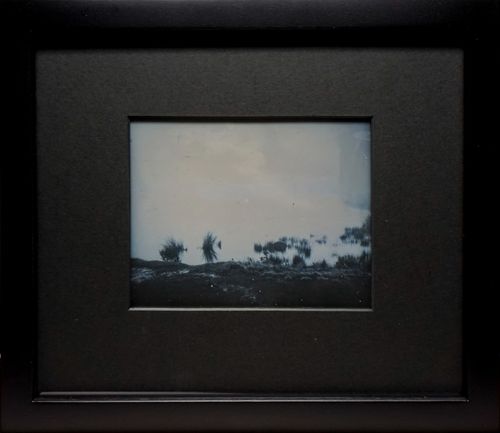
Camilo Sabogal
Silencio 19, 2023
Fotografía. Daguerrotipo Becquerel sobre espejo de plata
10 × 12.5 cm (sin marco)
20 × 23 cm (marco)

Exposición en Espacio El Dorado, Bogotá. 23 de mayo - 11 de julio de 2026
Español
En el silencio de estos daguerrotipos se escuchan los sonidos del páramo. El canto de las aves, la vegetación que se mece con el viento frío, el agua que corre, la humedad de la neblina. Contrario a lo que se tiende a pensar, el páramo nunca está quieto ni en silencio, dice Camilo Sabogal. Lo muestra también en sus fotografías, que contienen las vidas de este ecosistema y su oscilación entre la quietud y el movimiento. Lo vemos en los tallos que se doblan, las ramas que estallan en todas las direcciones, las flores que se descuelgan o se abren hacia arriba, la vibración de los pelitos aterciopelados de los frailejones entre la neblina, los destellos de luz y las ondas en el agua. Sobre los espejos de plata de sus daguerrotipos se quedan pegados hasta los detalles más minúsculos del paisaje, de la vida que contiene, los días de sol y de lluvia, la intensidad del viento, el olor a tierra mojada y a musgo. Parecen mostrar incluso las cosas invisibles, los secretos del páramo, a quien se acerque a mirarlos con tanta atención que sus pestañas se fundan con la imagen.
Cuando le pregunté a Camilo si era budista o solo budista por accidente, me respondió que había estado en un par de retiros de meditación Vipassana. Sus obras parecen tener mucho de esta técnica, cuyo nombre quiere decir “ver las cosas tal como son”, que suele practicarse pasando varios días en silencio. Me lo imagino como un monje, subiendo a la montaña —su templo— a contemplar la vida con la misma devoción con la que cuida a su gata, Tos. Entre el abrazo de la neblina y el rugido de la montaña, camina y toma fotografías, avanza entre las plantas que ya le son familiares y las observa. En esa observación construye una intimidad al acortar las distancias entre sí mismo y el paisaje. Los seres que lo habitan parecen devolverle la mirada.
Camilo dice que el ejercicio de contemplar el paisaje mientras se toma la fotografía es también una especie de meditación, una invitación a estar, mirar y percibir otras dimensiones del tiempo. Poder hacerlo requiere una paciencia que solo está al alcance de quienes estén dispuestos a hacer de la ineficiencia un arte y no le teman a la frustración, condiciones igualmente necesarias para trabajar con técnicas fotográficas obsoletas. Camilo hace todo desde cero. Prepara los espejos de plata, carga la cámara por el camino de montaña hasta el páramo, espera durante los tiempos de exposición de más de una hora, vuelve con la incertidumbre de qué pudo haber ocurrido en las placas o en el rollo y juega con sus posibilidades de transformación en el laboratorio. La experimentación en el laboratorio es también una práctica de meditación. Supone contemplar la imagen, ahora sobre el papel, aislada de la montaña, y ver en qué puede convertirse según la técnica que se pruebe. Con cada capa de químicos y tiempo, la imagen se va transformando. Los frailejones se convierten en mandalas, sin dejar de ser frailejones.
En ese querer ver las cosas como son, por lo que son y podrían ser, veo un acto de amor y compasión de alguien que se sabe parte del mundo, de las montañas y las aguas.
Texto de Paloma Nicolás
English
In the silence of these daguerreotypes, the sounds of the páramo can be heard. The song of birds, vegetation swaying in the cold wind, flowing water, the dampness of the mist. Contrary to what one might think, the páramo is never still or silent, says Camilo Sabogal. His photographs bear this out, capturing the life of this ecosystem and its oscillation between stillness and movement. We see it in the bending stems, the branches bursting outward in every direction, the flowers drooping or opening skyward, the vibration of the velvety hairs on the frailejones through the mist, the glimmers of light and the ripples in the water. On the silver mirrors of his daguerreotypes, even the tiniest details of the landscape and the life it contains remain imprinted: sunny and rainy days, the force of the wind, the smell of wet earth and moss. His images seem to reveal even invisible things, the secrets of the páramo, to anyone who approaches them with such intense attention that their eyelashes seem to merge with the image.
When I asked Camilo whether he was a Buddhist, or simply a Buddhist by accident, he told me he had attended a couple of Vipassana meditation retreats. His work seems to embody much of this practice, whose name means “to see things as they are” and which is often undertaken over several days of silence. I imagine him as a monk, climbing the mountain—his temple—to contemplate life with the same devotion with which he cares for his cat, Tos. Embraced by the mist and amid the mountain’s roar, he walks and takes photographs, moving among plants that have become familiar to him and observing them. Through this observation, he cultivates intimacy by narrowing the distance between himself and the landscape. The beings that inhabit it seem to return his gaze.
Camilo says that contemplating the landscape while taking a photograph is also a form of meditation, an invitation to be present, to look, and to perceive other dimensions of time. Doing so requires a patience available only to those willing to turn inefficiency into an art and unafraid of frustration—qualities equally essential to working with obsolete photographic techniques. Camilo does everything from scratch. He prepares the silver mirrors, carries his camera along mountain paths up to the páramo, waits through exposure times of more than an hour, then returns uncertain of what might have happened on the plates or film and experiments with the possibilities of transforming them in the darkroom. Experimentation in the darkroom is also a meditative practice. It involves contemplating the image, now on paper and removed from the mountain, and seeing what it might become through the application of different techniques. With each layer of chemicals and the passage of time, the image transforms. The frailejones become mandalas, without ceasing to be frailejones.
In this desire to see things as they are, for what they are and what they might become, I see an act of love and compassion on the part of someone who knows himself to be part of the world, of the mountains and the waters.
Text by Paloma Nicolás
Camilo Sabogal
Silencio 19, 2023
Fotografía. Daguerrotipo Becquerel sobre espejo de plata
10 × 12.5 cm (sin marco)
20 × 23 cm (marco)
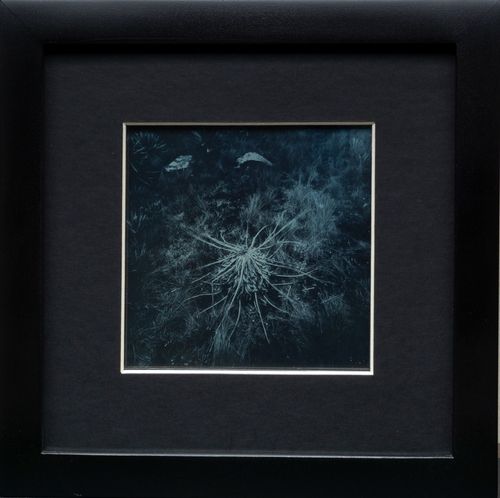
Camilo Sabogal
Silencio 05, 2022
Fotografía. Daguerrotipo Becquerel sobre espejo de plata
10 × 10 cm (sin marco)
17 × 17 cm (marco)
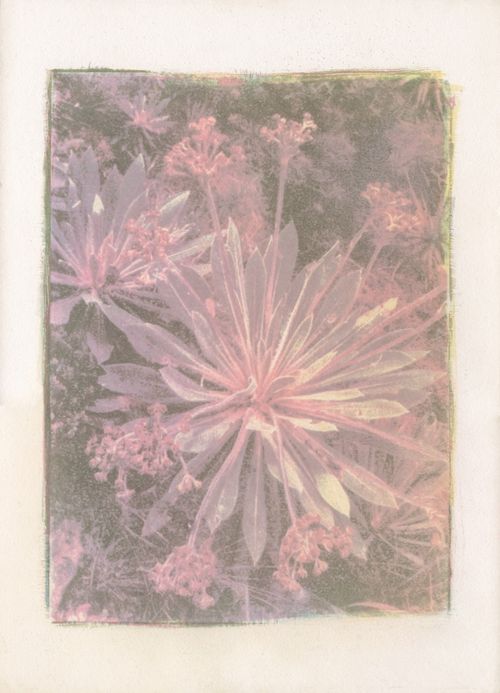
Camilo Sabogal
Sin título, 2026
Fotografía. Goma bicromatada
35 × 25 cm (sin marco)
40 × 30 cm (con marco)
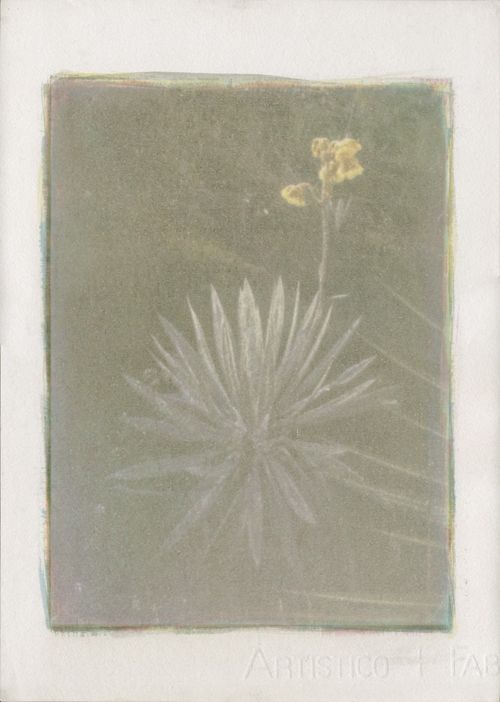
Camilo Sabogal
Sin tìtulo, 2026
Fotografía. Goma bicromatada
35 × 25 cm (sin marco)
40 × 30 cm (con marco)
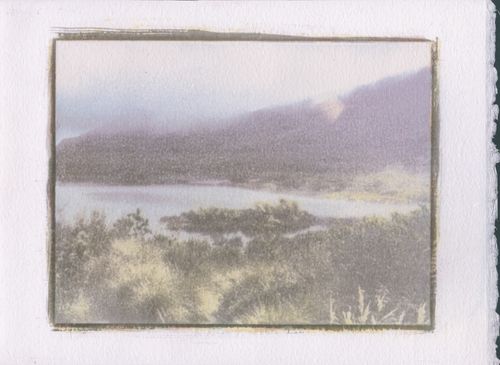
Camilo Sabogal
Sin tìtulo, 2026
Fotografía. Goma bicromada
19.5 × 26.5 cm (sin marco)
30 × 40 cm (con marco)
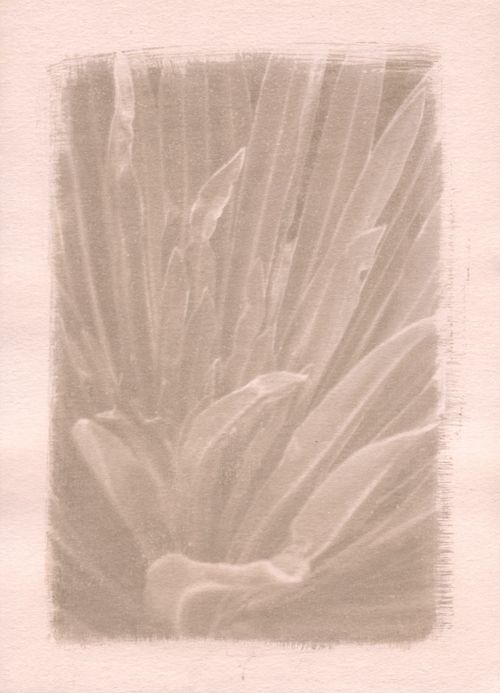
Camilo Sabogal
Sin título, 2026
Fotografía. Goma Bicromatada
24 × 17.5 cm (sin marco)
40 × 30 cm (con marco)
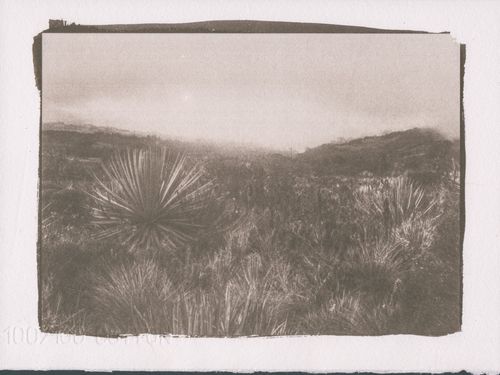
Camilo Sabogal
Sin título, 2026
Fotografía. Marrón Van Dyke
17.5 × 24 cm (sin marco)
40 × 30 cm (con marco)
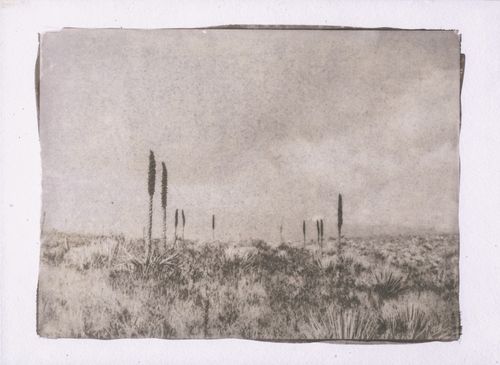
Camilo Sabogal
Sin título, 2026
Fotografía. Marrón Van Dyke
17.5 × 24 cm (sin marco)
40 × 30 cm (con marco)
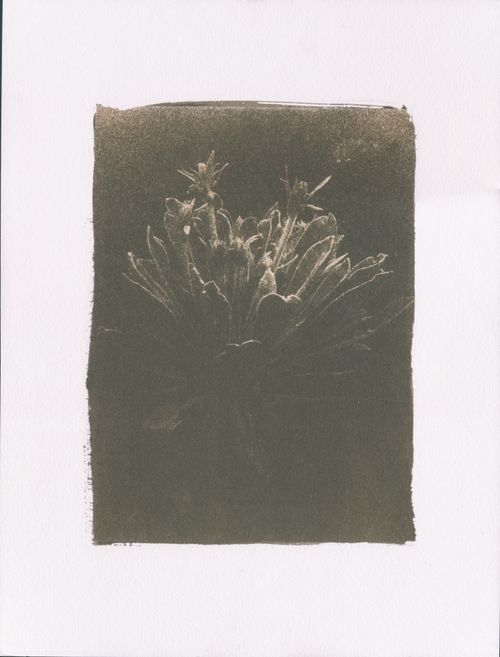
Camilo Sabogal
Sin título, 2026
Fotografía. Marrón Van Dyke
30.2 × 23 cm (sin marco)
40 × 30 cm (con marco)
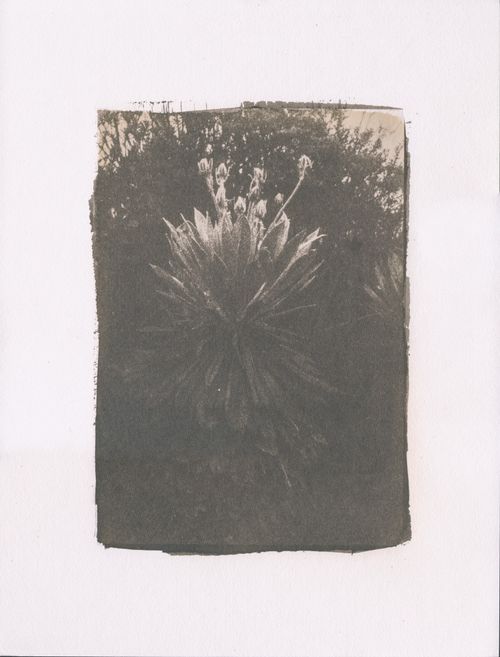
Camilo Sabogal
Sin título, 2026
Fotografía. Marrón Van Dyke
30.2 × 23 cm (sin marco)
40 × 30 cm (con marco)
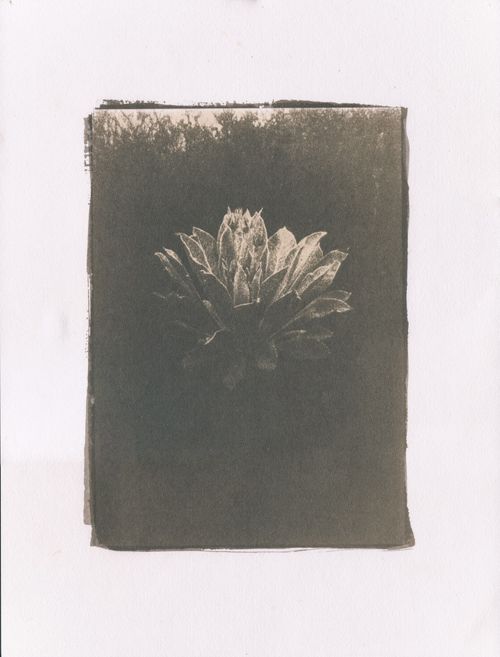
Camilo Sabogal
Sin título, 2026
Fotografía. Marrón Van Dyke
30.2 × 23 cm (sin marco)
40 × 30 cm (con marco)
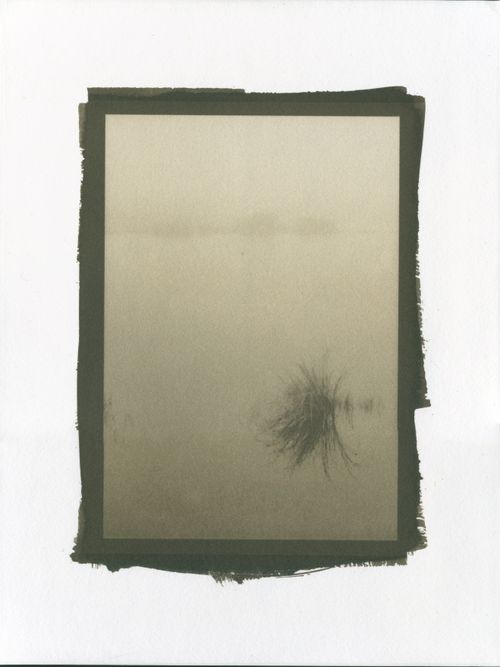
Camilo Sabogal
Sin título, 2026
Fotografía. Marrón Van Dyke
31.7 × 24 cm (sin marco)
40 × 30 cm (con marco)
Español
Todas las obras se encuentran en Bogotá, Colombia, y están disponibles para la venta. Para información sobre precios, disponibilidad y condiciones de envío, escríbanos a hola@espacioeldorado.com
English
All works are located in Bogotá, Colombia, and are available for sale. For information on pricing, availability, and shipping, please write to us at hola@espacioeldorado.com
En breve nos pondremos en contacto con usted. Muchas gracias por su interés