Santiago Montoya
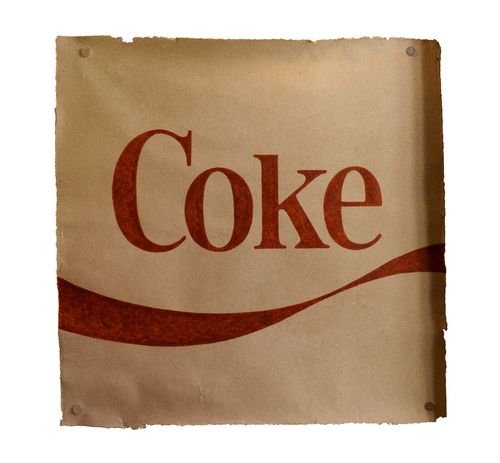
Coke, 2025
Técnica mixta. Achiote sobre papel de artista de coca, algodón y papel moneda
170 × 170 cm
Exposición en Espacio El Dorado, Bogotá. 15 de marzo – 13 de mayo de 2025
Español
En esta oportunidad Montoya se concentra en un misterio tan actual como antiguo del valor en nuestra cultura: el de las palabras.
Tras los objetos, las palabras enuncian también sus cultos y sus sacralizaciones, espirituales o paganas, religiosas o civiles; y Montoya interroga su agencia sobre la realidad: experimenta con su poder consagratorio y propagandístico, con su carácter sagaz, lúcido y banal.
Y aquí hay muchos tipos de palabras y efectos en el valor que imponen sobre nuestro mundo:
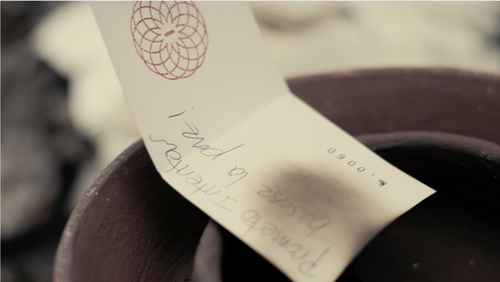
> Hay promesas secretas depositadas en papelitos que pueden incinerarse y soplarse, como si sus cenizas fueran polvo de oro, sobre un cuerpo que se sumerge en una laguna.
> Hay palabras con que se describe la realidad, poderosísimas cuando trasladan la atención del ojo experto al hablar, por ejemplo, sobre la veta de una piedra preciosa.
> Hay palabras que saldan el precio de una esmeralda, trasladada por kilómetros y sin otras aseguranzas, de la callosa mano de un minero a la del vendedor que la exhibe bajo las luces de su tienda.
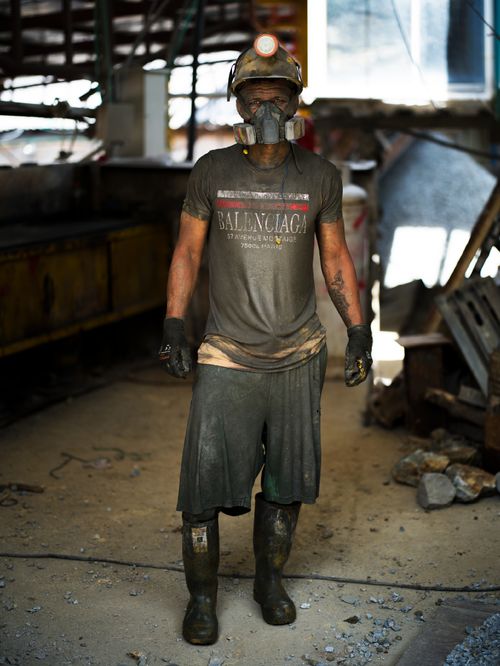
> Hay palabras en las marcas de lujo que la globalización expande por el mundo hasta grabarlas, incluso, en las camisetas de los mineros.
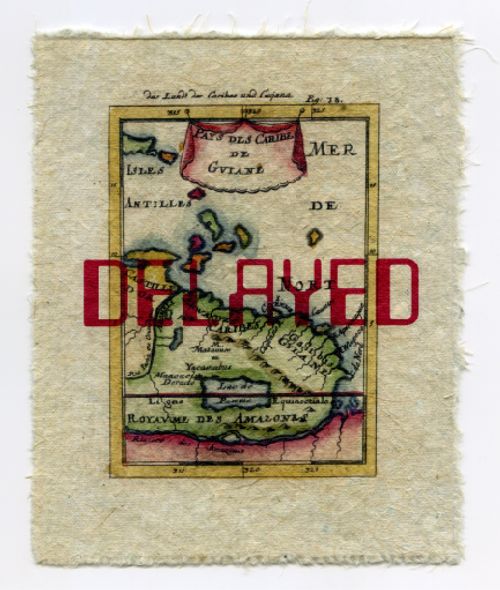
> Y las hay en los rótulos que alguna vez inscribieron en mapas antiguos el reconocimiento de naciones ancestrales. Nos hablan, entonces, «Guayana» y «Orinoco» en el mapa que espoleó allí, tras la provincia del Dorado, la búsqueda de oro: Uyana (Guayana), de la lengua guarauna, denominó la ignota y deseada provincia, donde expandió el sentido de su inaccesibilidad, pues significa «el lugar donde no se rema, donde no hay curiara». Wirinoko (Orinoco), también del guarauno, merodea en cambio a través de Guayana en sentido contrario: wiri: «donde remamos» y noko: «lugar»: «allí donde se rema». Montoya las ha cubierto con el sello «Delete». Del latín, «deleo, delere», cuando, más que «borrar», significó «destruir», «aniquilar».
> Hay palabras que, como ocurre con las de los mapas, también pueden anularse con un borrador de nata, ese otro descendiente del caucho, y al final, suprimirse también de sus ecosistemas y territorios. Es lo que ha ocurrido aquí con los topónimos nativos de las cuencas del Orinoco y el Amazonas inscritos en el enorme mapa de Suramérica que en 1810 grabó el cartógrafo Aaron Arrowsmith: las naciones de mariquitares, poyas, bores, bororos, se han reinscrito y borrado sobre nuevo papel. Transformadas en virutitas de goma, esas voces que alguna vez habitaron la cartografía ahora son una leve pirámide, erigida sobre obsidiana, ese otro material sagrado de los ancestros americanos que nos recuerda formas nativas de la comunicación con lo divino.
El cuerpo en donde las palabras resuenan, vibran, cobran la belleza de sus trazos, que es el nuestro, se inclina aquí ante los múltiples sentidos de los títulos de la sobras, atraviesa cortinas de látex donde se han inscrito los horrores más crueles de la explotación, sigue la ruta de ríos de chocolate grabados en monedas de mármol blanco o lee los nombres nativos del territorio desplazados a su inscripción sobre el carbón.
Todas estas palabras -signos inscritos, sonidos conjugados- contrapuntean la voz del cero: esa cifra que suma y resta, que alumbra y aniquila. Nuestros cuerpos exploran, así, obras persiguen ese vacío, el del cero, el de la sortija del valor, que llena nuestras vidas de cosas, las despoja al tiempo que las colma, y juega con sus sentidos en virtud del poder de la enunciación y sus encarnaciones.
Texto curatorial de María José Montoya.
English
On this occasion, Montoya focuses on a mystery of value in our culture that is as contemporary as it is ancient: the mystery of words.
Beyond objects, words also articulate their cults and forms of sacralization, whether spiritual or pagan, religious or civic. Montoya interrogates their agency in shaping reality: she experiments with their power to consecrate and propagandize, as well as with their shrewd, lucid, and banal character.
Here, we encounter many kinds of words and the effects they have on the value they impose upon our world:
>There are secret promises deposited on little slips of paper that can be burned and blown, as though their ashes were gold dust, over a body submerged in a lagoon.
>There are words used to describe reality, immensely powerful when they redirect the trained eye’s attention toward speech—for example, when speaking about the vein of a precious stone.
>There are words that settle the price of an emerald, carried for miles without any other guarantees, from a miner’s calloused hand to that of the seller who displays it beneath the lights of a shop.
>There are words embedded in luxury brands that globalization spreads throughout the world, until they are even emblazoned on the T-shirts of miners.
>And there are words on the labels that once inscribed the recognition of ancestral nations on ancient maps. Thus, “Guayana” and “Orinoco” speak to us from the map that spurred the search for gold in that region, beyond the province of El Dorado. Uyana (Guayana), from the Guarao language, named the unknown and coveted province, expanding the meaning of its inaccessibility, since it means “the place where one does not paddle, where there are no canoes.” Wirinoko (Orinoco), also from Guarao, moves through Guayana in the opposite direction: wiri, “where we paddle,” and noko, “place”—“the place where one paddles.” Montoya has covered these names with the stamp “Delete.” From the Latin deleo, delere, a word that meant not merely “to erase,” but “to destroy,” “to annihilate.”
>There are words that, like those on maps, can also be erased with a rubber eraser—that other descendant of rubber—and ultimately removed from their ecosystems and territories as well. This is what has happened here to the Indigenous place names of the Orinoco and Amazon river basins, inscribed on the enormous map of South America engraved by cartographer Aaron Arrowsmith in 1810. The nations of the Mariquitares, Poyas, Bores, and Bororos have been inscribed and erased again and again on new paper. Transformed into tiny rubber shavings, these voices that once inhabited the map now form a small, delicate pyramid erected upon obsidian, that other sacred material of the Indigenous peoples of the Americas, reminding us of ancestral forms of communication with the divine.
The body in which words resonate and vibrate, and in which the beauty of their strokes comes to life—the body that is our own—bows here before the multiple meanings of the works’ titles. It passes through latex curtains upon which the cruelest horrors of exploitation have been inscribed, follows the course of chocolate rivers engraved on white marble coins, or reads the Indigenous names of the land, displaced and re-inscribed upon coal.
All these words—inscribed signs, sounds woven together—play in counterpoint to the voice of zero: that figure which adds and subtracts, illuminates and annihilates. Our bodies thus explore works that pursue this void: the void of zero, the void at the heart of the ring of value, which fills our lives with things, deprives us of them even as it fills us, and plays with their meanings through the power of enunciation and its embodiments.
Curatorial text by María José Montoya.
Santiago Montoya
Coke, 2025
Técnica mixta. Achiote sobre papel de artista de coca, algodón y papel moneda
170 × 170 cm
Santiago Montoya
Delayed (El Dorado), 2025
Obra sobre papel. Acrílico e impresión de inyección de tinta acrílica sobre papel de artista
16.5 × 13 cm
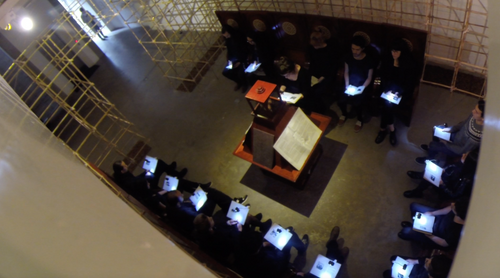
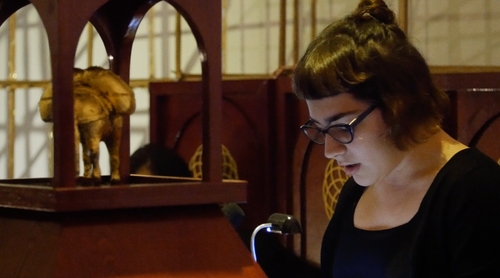
Santiago Montoya
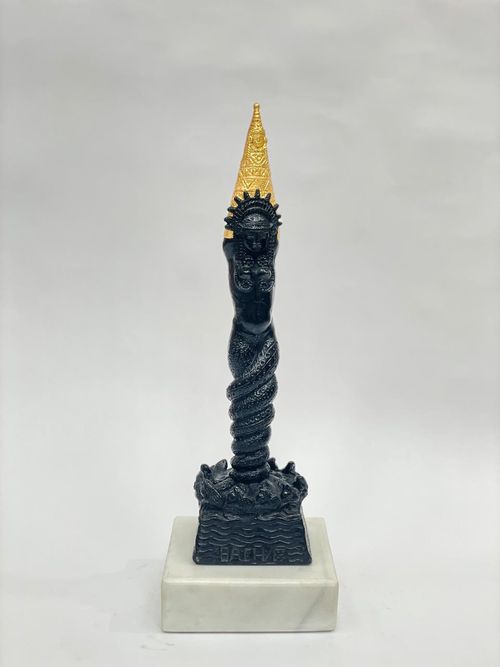
Bachué (Carbon copy), 2024-2025
Escultura. Carbón mineral de Sutatausa, hojilla de oro de 24 Kilates
45 × 15 × 15 cm
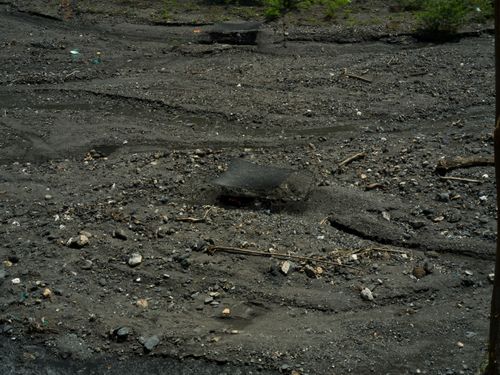
Santiago Montoya
Río Minero, 2023
Fotografía. Impresión sobre Backlight, luces led, caja de aluminio, acrílico
160 × 122 cm
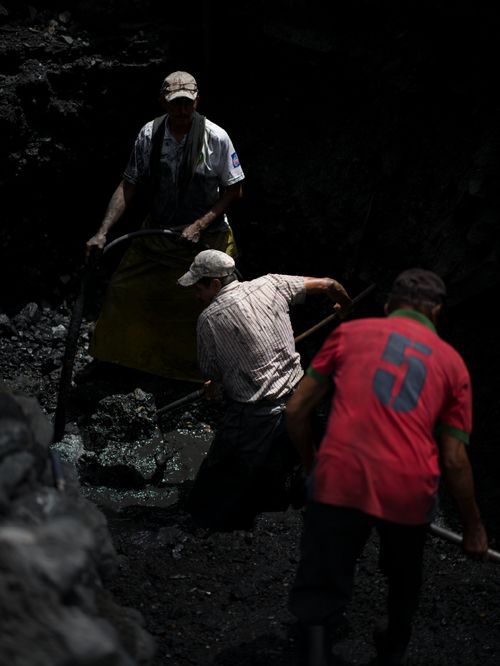
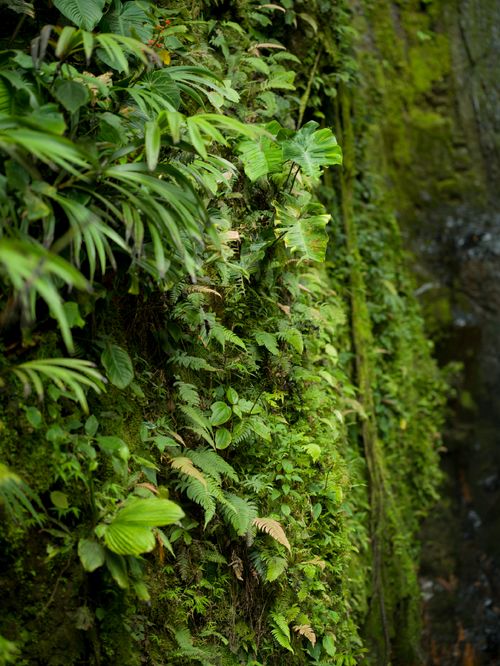
Santiago Montoya
Sueños de Muzo, 2023
Fotografía. Impresión sobre Backlight, luces led, caja de aluminio, acrílico
160 × 122 cm
Santiago Montoya
Muzo, 2023
Fotografía. Impresión sobre Backlight, luces led, caja de aluminio, acrílico
160 × 122 cm
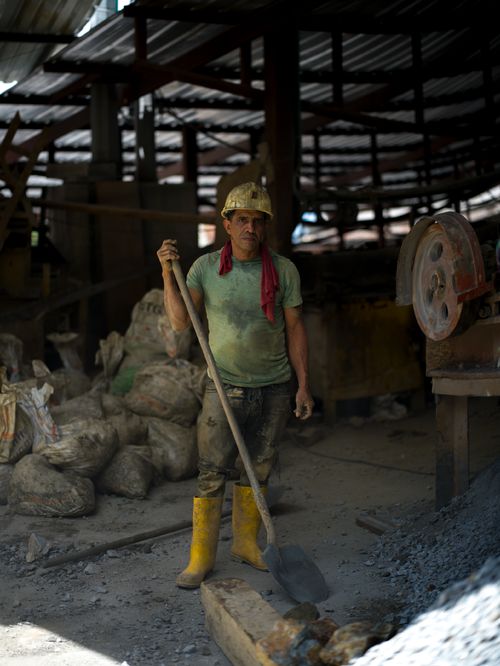
Santiago Montoya
Balenciaga, 2023
Fotografía. Impresión sobre Backlight, luces led, caja de aluminio, acrílico
160 × 122 cm
Santiago Montoya
Marmato, 2023
Fotografía. Impresión sobre Backlight, luces led, caja de aluminio, acrílico
160 × 122 cm
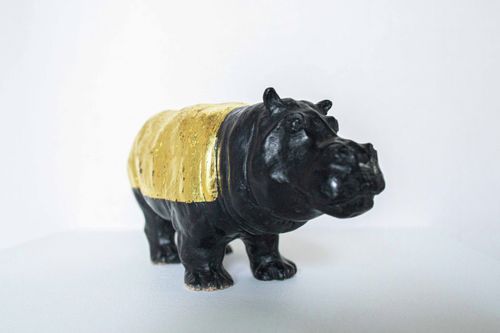
Santiago Montoya
Hipopótamo de carbón , 2023
Escultura de carbón recubierta en hojilla de oro
15 × 30 × 15 cm
Español
Todas las obras se encuentran en Bogotá, Colombia, y están disponibles para la venta. Para información sobre precios, disponibilidad y condiciones de envío, escríbanos a hola@espacioeldorado.com
English
All works are located in Bogotá, Colombia, and are available for sale. For information on pricing, availability, and shipping, please write to us at hola@espacioeldorado.com
En breve nos pondremos en contacto con usted. Muchas gracias por su interés