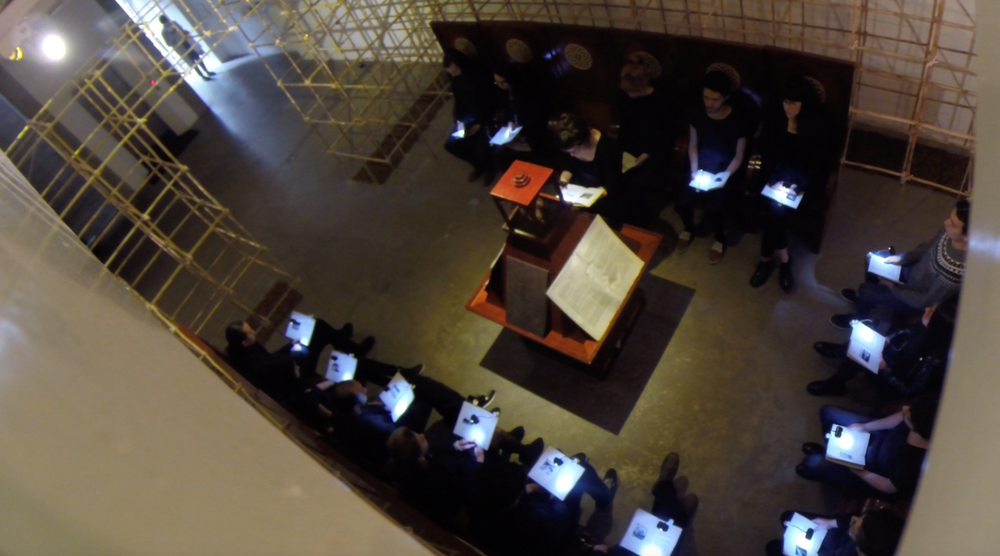
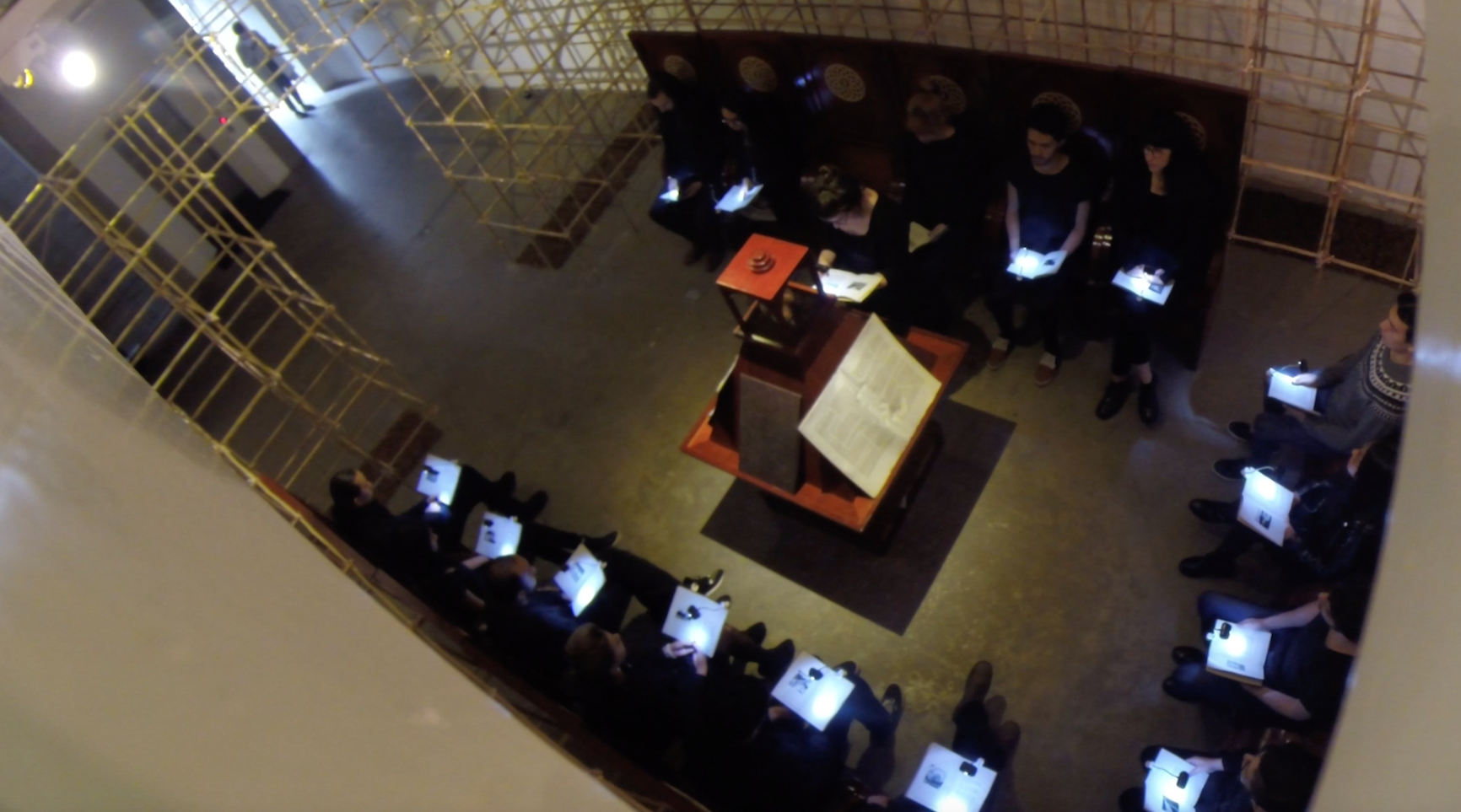
Con la serie “El poder de la palabra”, Montoya se concentra en un misterio tan actual como antiguo sobre el valor en nuestra cultura: el de las palabras. Tras los objetos, las palabras enuncian también sus cultos y sus sacralizaciones, espirituales o paganas, religiosas o civiles; y Montoya interroga su agencia sobre la realidad: experimenta con su poder consagratorio y propagandístico, con su carácter sagaz, lú-cido y banal. (…)
Santiago Montoya (Colombia, 1974) has explored the idea of what does produce the value, and what it is the value: it is a kind of treasure of the cultures, sometimes ephemeral, sometimes long-lasting, but so sacred that rise the worth of things and symbols, it makes them greatest, it gives them power and seal a deal between the submission and the human joy before the gold, the coal, the quina, the rubber, the cacao, and their “descendants”, from the latex, the erasers, pneumatic tires, to the chocolate. (...)
In the series “El poder de la palabra” (“The power of the word”), Montoya concentrated his investigation in the mystery as actual as anti-que about the value in our culture: the worth of words. Beyond the objects, also words announce its cults and sacralizations, spirituals or heathens, religious or civil, and Montoya asks for its agency in reality: he experiments with its consecratory and propagandistic power, with its fast, lucid and banal nature. (...)