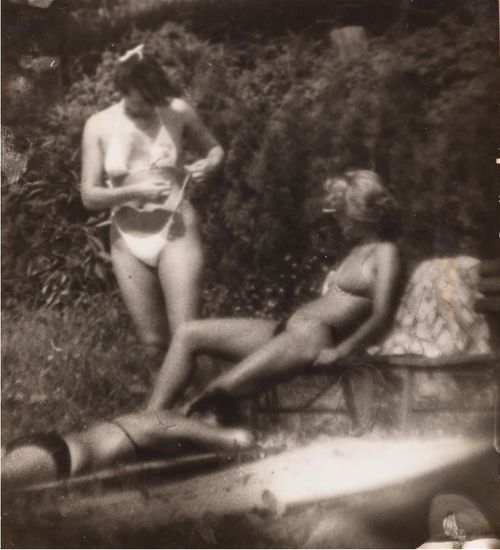
Miroslav Tichy
Sin título (Badetag), ca. 1975
Fotografía. Impresión análoga de época en gelatina de plata
21 × 20.5 cm (sin marco)

Exposición en Espacio El Dorado, Bogotá. 30 de julio - 01 de octubre de 2022
Español
Hacia el año 306 A.C. Epicuro se estableció a las afueras de Atenas y creó un espacio en el que eran admitidas personas de toda condición y clase: mujeres, esclavos, prostitutas, seres virtuosos y disolutos. Este encuentro de individuos era uno de los ejes fundamentales de su doctrina, y un hecho inusual para una escuela filosófica.
Concebido ante la decadencia de la democracia ateniense y su ágora, y con la intención de avanzar sobre ellas, el “Jardín” fue un lugar de indagación sobre los principios orientadores del ser social y no necesariamente un centro de enseñanza para discípulos nuevos, pero sí, fundamentalmente, un centro de reunión y de convivencia entre sujetos que compartían una forma de entender la existencia y el mundo.
Esta escuela propuso la ética del placer, afirmando que el objetivo de una vida feliz consistía en la ausencia del dolor, tanto físico como moral. En este sentido señalaba que la ataraxia (serenidad) era indicativa de la ausencia de ansiedad o perturbación, así como de cualquier tipo de aflicción, bien fuera de índole física, como el hambre o la tensión sexual, o mental, como el aburrimiento o la apatía. Epicuro plantea la filosofía como indagación por la felicidad humana, una reflexión acerca de los temores que agobian a los hombres: el miedo a la muerte, el miedo a los dioses, el deseo desmesurado de placeres y el miedo al dolor, así como la lucha contra los prejuicios establecidos por la sociedad.
Este ciclo de exposiciones invita a repensar un mundo en el que sea posible ser y entenderse sin apelar a metodologías clasificatorias y segmentarias y, particularmente, por fuera de comprensiones normativas de género, genealogía y descendencia. También para reflexionar sobre el nacimiento y el origen sin la idea de maternidad y poder incluir otras subjetividades libres, contestarias, desobedientes y escandalosas que permitan deconstruir los conceptos de identidad, tipo, sexualidad, heteronormatividad y deseo. Así, podremos crear vínculos que se transformen en lazos afectivos de cuidado y protección mucho más fuertes que los consanguíneos y que desafíen los actuales imaginarios de familia, reproducción y amistad, conformando un estado de solidaridad que transgreda lo establecido y reivindique al otro en todas sus dimensiones. En fin, buscar una sociedad en la que podamos vivir tranquilos, vivir sin miedo, como En el jardín de Epicuro
Participan: Flor María Bouhot, Manu Mojito, Felipe Lozano, Becky Mayer, J. N. Gómez (Juan Nepomuceno), Rosa Navarro, Manolo Vellojín, Leonel Castañeda, Félix Ángel, Lorenzo Jaramillo, Álvaro Barrios, Luis Caballero, Camilo Lleras, Miroslav Tichý, Liliana Porter, Leonel Góngora, Éver Astudillo, Sergio Zevallos, Miguel Ángel Cárdenas (Michel Cardena), Juan Betancurth, Juan Camilo Uribe, Delfina Bernal, Natalia Iguiñiz, María José Chica, Julieth Morales, Luz Adriana Vera, Francisca Jiménez, Miguel Ángel Rojas, Jim Amaral, Arnulfo Luna, Gustavo Sorzano y Eduardo Hernández.
English
Around 306 B.C., Epicurus settled on the outskirts of Athens and created a space where people of all walks of life and social classes were welcome: women, slaves, prostitutes, virtuous individuals, and dissolute ones. This gathering of individuals was one of the cornerstones of his doctrine—and an unusual occurrence for a philosophical school.
Conceived in response to the decline of Athenian democracy and its agora, and with the intention of moving beyond them, the “Garden” was a place for exploring the guiding principles of social existence—not necessarily a center for teaching new disciples, but rather, fundamentally, a gathering place where people who shared a common understanding of existence and the world could come together and live in harmony.
This school proposed the ethics of pleasure, asserting that the goal of a happy life consisted in the absence of pain, both physical and moral. In this sense, it pointed out that ataraxia (serenity) was indicative of the absence of anxiety or disturbance, as well as of any kind of affliction—whether physical in nature, such as hunger or sexual tension, or mental, such as boredom or apathy. Epicurus conceives of philosophy as an inquiry into human happiness, a reflection on the fears that weigh heavily on people: the fear of death, the fear of the gods, the excessive desire for pleasures, and the fear of pain, as well as the struggle against prejudices established by society.
This exhibition series invites us to rethink a world in which it is possible to exist and understand one another without resorting to classificatory and segmentary methodologies—and, in particular, outside of normative understandings of gender, genealogy, and descent. It also invites us to reflect on birth and origin without the concept of motherhood and to include other free, rebellious, disobedient, and scandalous subjectivities that allow us to deconstruct the concepts of identity, type, sexuality, heteronormativity, and desire. In this way, we can create bonds that transform into emotional ties of care and protection far stronger than those based on blood relations—bonds that challenge current notions of family, reproduction, and friendship, forming a state of solidarity that transgresses the status quo and affirms the other in all their dimensions. In short, to seek a society in which we can live peacefully, live without fear, like In Epicurus’ Garden.
Mitwirkende: Flor María Bouhot, Manu Mojito, Felipe Lozano, Becky Mayer, J. N. Gómez (Juan Nepomuceno), Rosa Navarro, Manolo Vellojín, Leonel Castañeda, Félix Ángel, Lorenzo Jaramillo, Álvaro Barrios, Luis Caballero, Camilo Lleras, Miroslav Tichý, Liliana Porter, Leonel Góngora, Éver Astudillo, Sergio Zevallos, Miguel Ángel Cárdenas (Michel Cardena), Juan Betancurth, Juan Camilo Uribe, Delfina Bernal, Natalia Iguiñiz, María José Chica, Julieth Morales, Luz Adriana Vera, Francisca Jiménez, Miguel Ángel Rojas, Jim Amaral, Arnulfo Luna, Gustavo Sorzano und Eduardo Hernández.
Miroslav Tichy
Sin título (Badetag), ca. 1975
Fotografía. Impresión análoga de época en gelatina de plata
21 × 20.5 cm (sin marco)
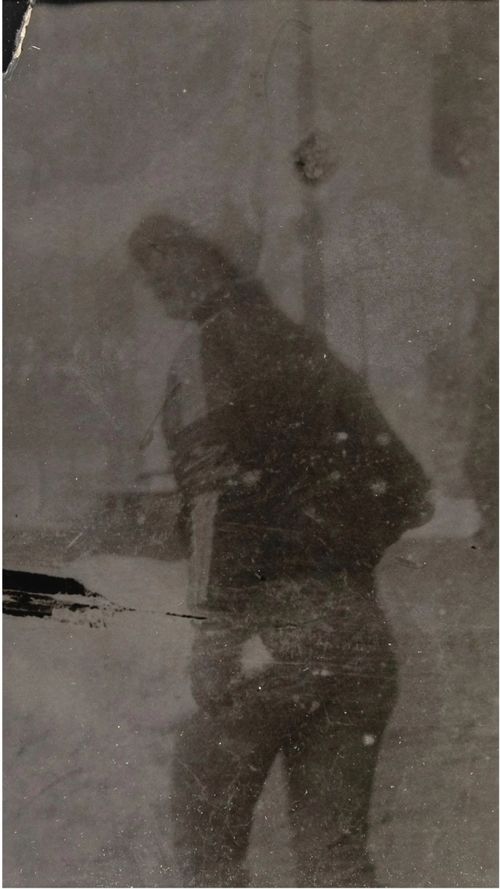
Miroslav Tichy
Sin título, sf
Fotografía. Impresión análoga de época en gelatina de plata
13 × 8 cm (sin marco)
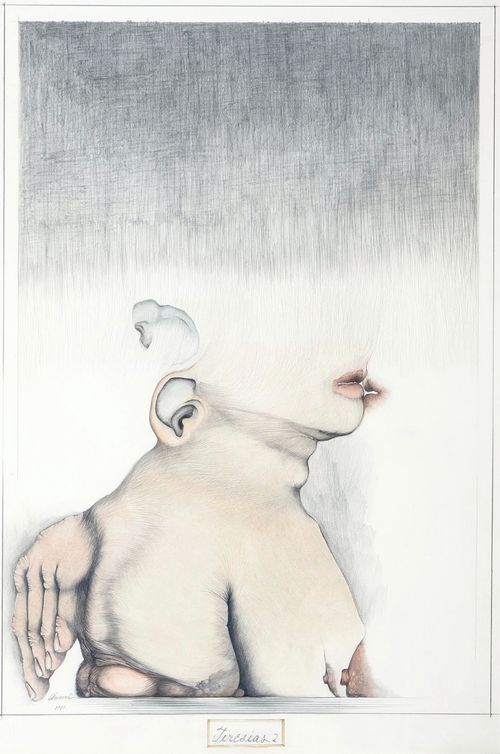
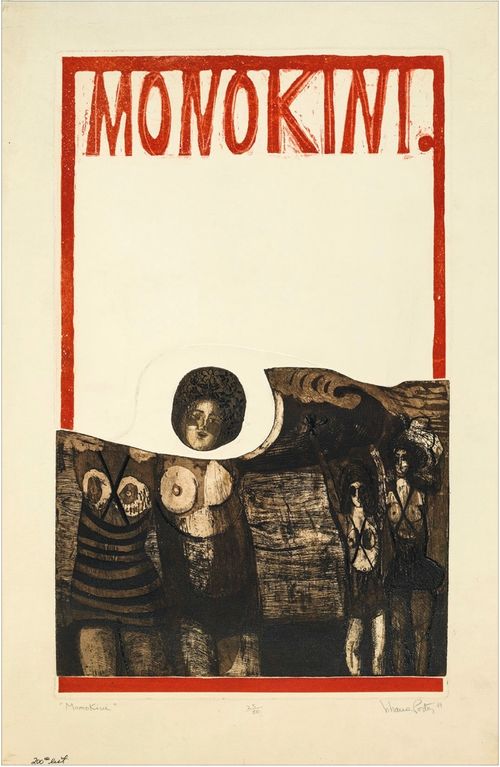

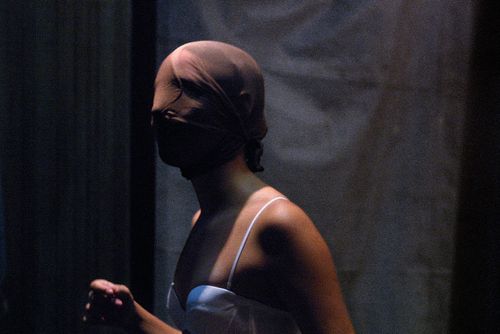
Luz Adriana Vera
Íntimo (Edición de 3 + 2AP), 2021
Foto performance. Impresión digital sobre papel de algodón
35 × 50 cm (sin marco c/u)
Leonel Castañeda Galeano
Sin título, 2004
Fotografía. Impresión digital sobre papel de algodón
80 × 80 cm (sin marco)
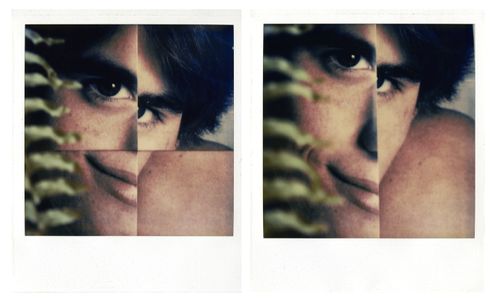
Manolo Vellojín
Sin título, 1982
Fotografía instantánea Polaroid
10.8 × 8.8 cm (sin marco c/u)
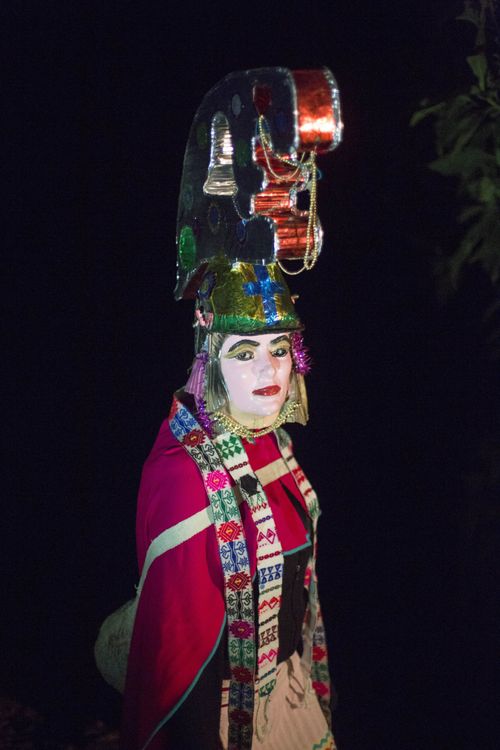
Julieth Morales
Hombre Misak disfrazado de ''La Señorita'', 2017
Fotografía. Impresión digital sobre papel
100 × 70 cm (sin marco)
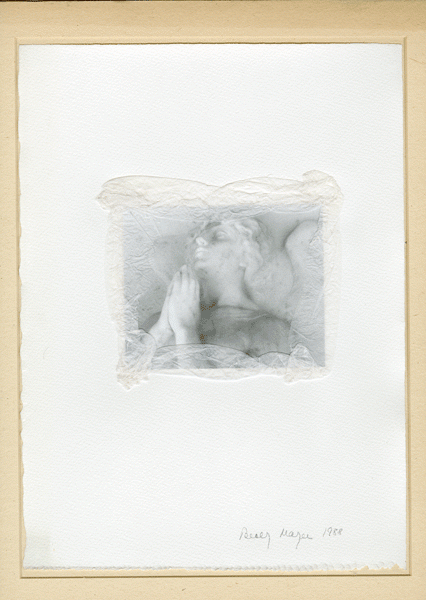
Becky Mayer
Sin título, 1988
Fotografía y collage
38 × 27 cm (sin marco)
46.9 × 37 × 3 cm (passepartout)
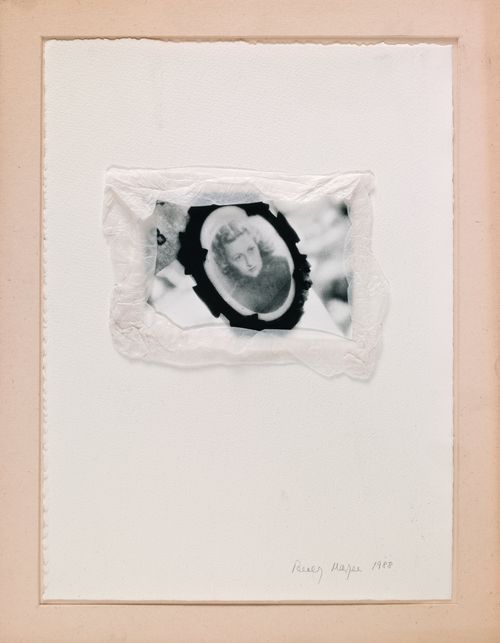
Becky Mayer
Sin título, 1988
Fotografía y collage
38 × 27 cm (sin marco)
46.9 × 37 × 3.5 cm (passepartout)
Español
Todas las obras se encuentran en Bogotá, Colombia, y están disponibles para la venta. Para información sobre precios, disponibilidad y condiciones de envío, escríbanos a hola@espacioeldorado.com
English
All works are located in Bogotá, Colombia, and are available for sale. For information on pricing, availability, and shipping, please write to us at hola@espacioeldorado.com
En breve nos pondremos en contacto con usted. Muchas gracias por su interés